
1-805-484-2992
Quotes - Engineering - SalesWhen the Standard Rating Is Not Enough
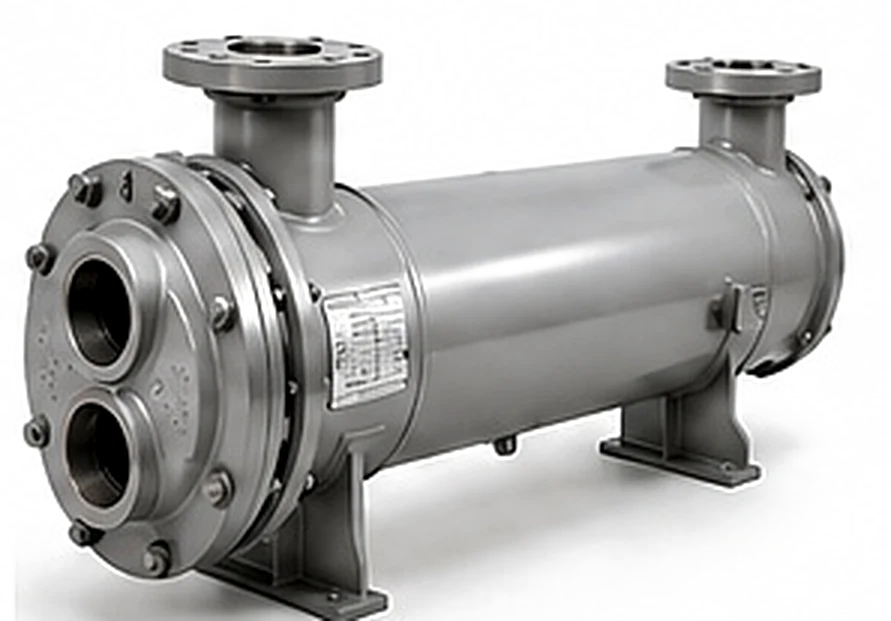
The HTWU is the standard U-tube arrangement with the tube-side pressure boundary uprated to 400 PSI while the shell stays at 150. That asymmetry is deliberate and it is what makes the construction affordable: a shell is a large-diameter pressure boundary and uprating it costs disproportionately more, whereas tubes and tubesheets are small ones. Put the high-pressure fluid in the tubes and the duty is met at a fraction of what uprating both sides would cost.
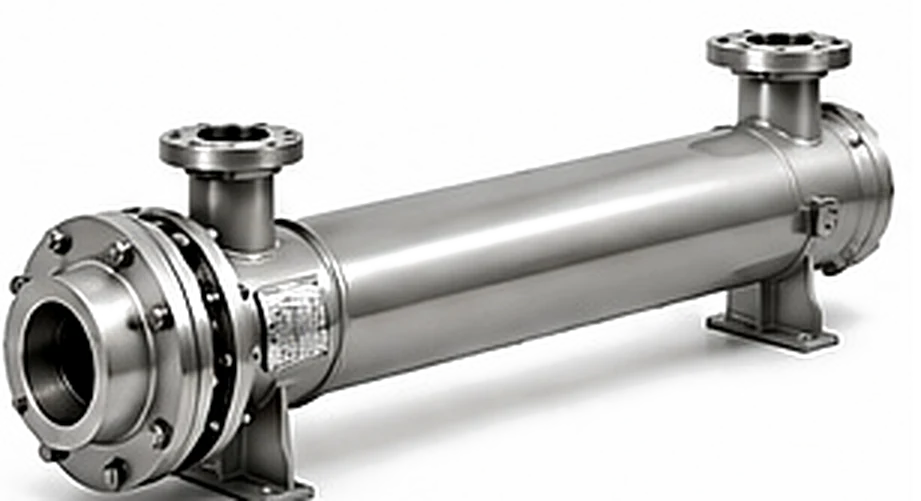
- HTWU Series carries a 400 PSI tube-side rating and a 150 PSI shell rating, to 375°F, across shell diameters from 4 to 12 inches in 2, 4 and 6 pass arrangements.
- Construction is otherwise familiar: removable U-tube bundle, cast iron bonnets, steel shell and tubesheet.
- The common case is a tall building. Static head alone puts the bottom of a high-rise riser well above 150 PSI before any pump head is added, and the temperatures involved are often unremarkable.
- High head pumping circuits, deep well systems and long distribution runs with significant elevation change raise tube-side pressure the same way.
APPLICATIONS




Calculate the Pressure Where the Unit Sits
The number that decides whether a duty needs the specialty range is the pressure at the exchanger, not at the top of the system. In a building that means static head measured from the highest point in the circuit down to the plant room, plus pump head, plus any expansion vessel pressurisation. It is common for a riser to be comfortably inside a standard rating at the top of the stack and outside it in the basement, which is exactly where the exchanger usually sits.
Pressure and temperature limits are set independently, so both need checking against the operating envelope rather than the design point alone. The HTWU is rated to 375°F, which is higher than the standard WU's 300°F but the same as the SU and DSU. A duty can sit inside the pressure rating and outside the temperature rating, or the reverse.
Because this is a catalogued range rather than engineered construction, lead times are normal and the part number establishes the shell diameter, the shell length and the pass arrangement in the same way as the rest of the line. Where a duty genuinely exceeds 400 PSI on the tube side or 150 PSI on the shell, that moves into engineered construction and is worth a conversation early.
Specialty Unit Applications
HVAC • HIGH RISE
Tall Building Risers
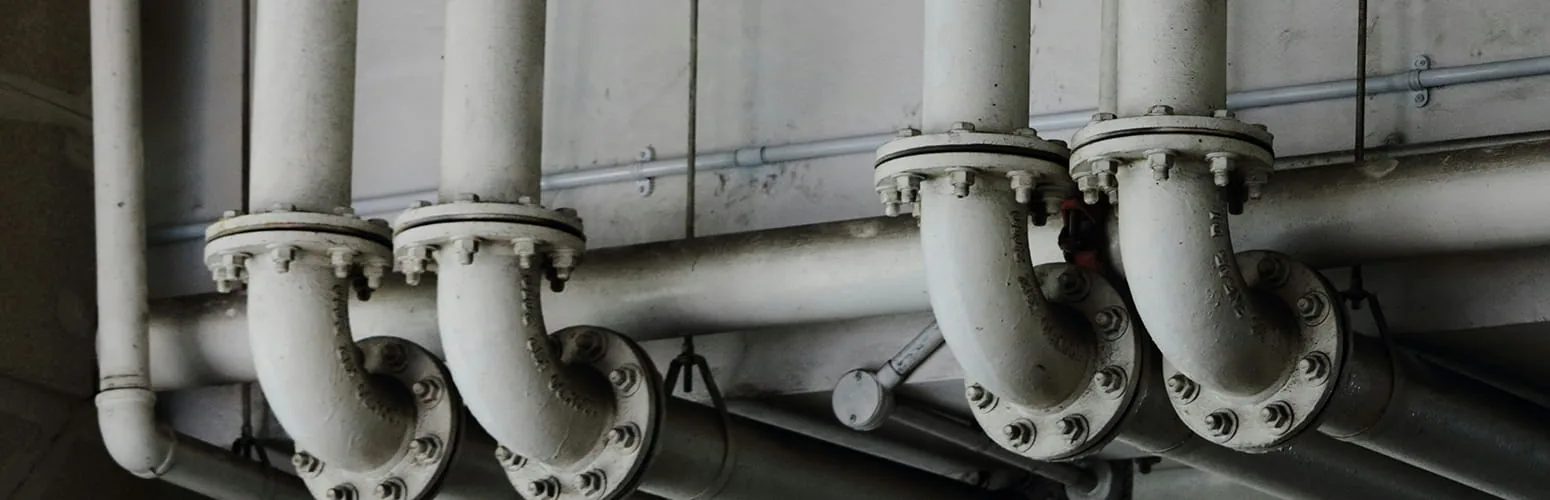
Static head at the foot of a high-rise stack routinely exceeds the standard tube-side rating. This is the range's most common duty.
+ Learn More
DISTRICT • NETWORK
District Energy
Network pressures at a building interface can sit well above what a standard building-side unit is rated to hold.
+ Learn More
GAS • 1000F
Gas Cooling
The other specialty duty in the line: hot gas at temperatures the liquid ranges are not rated for.
+ Learn More