1-805-484-2992
Quotes - Engineering - SalesStraight Tube Tank Bundle Construction
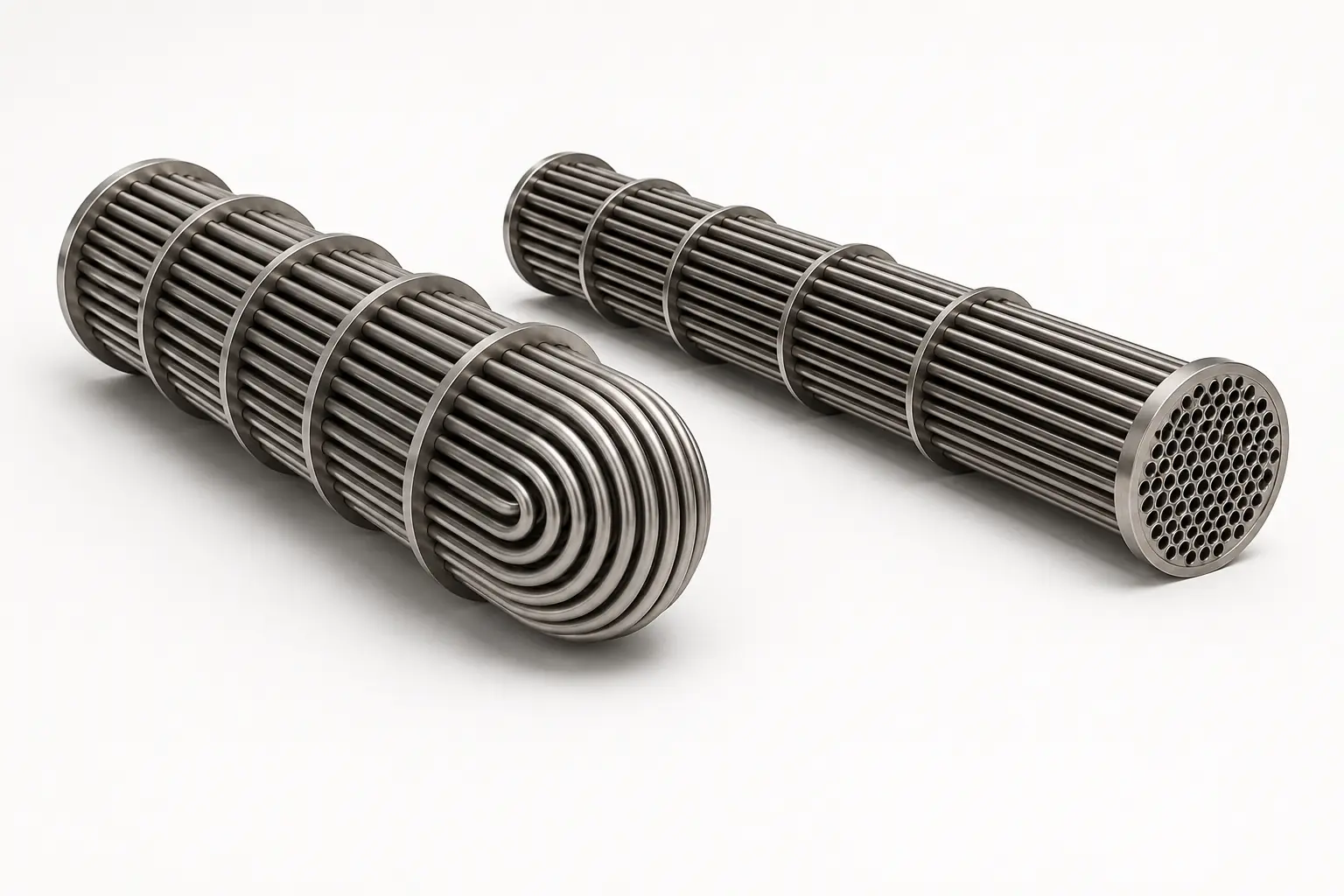
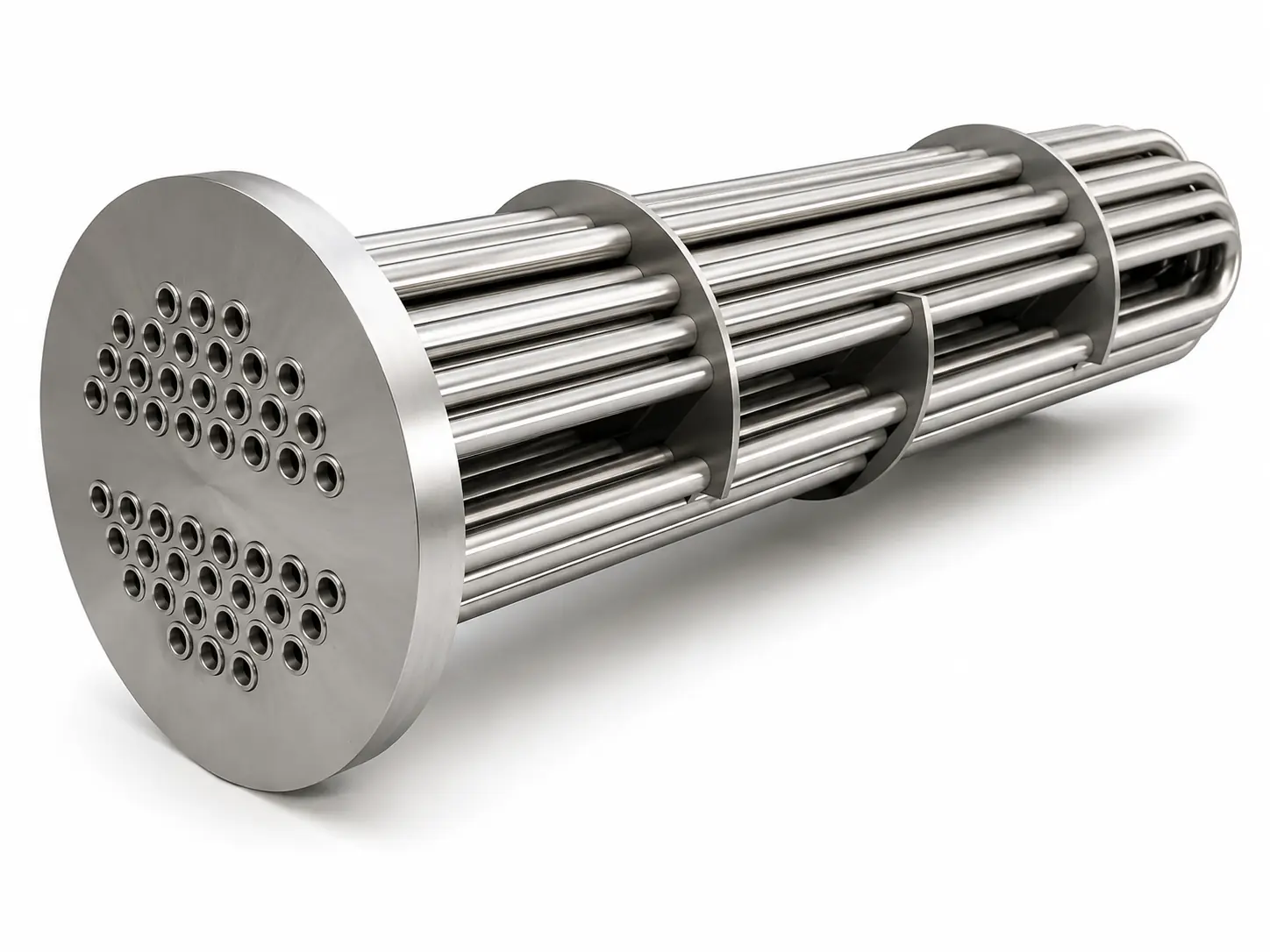
Tubes Terminating at Both Ends
A straight tube bundle passes through the vessel and terminates at both ends rather than returning to a single flange. That requires two penetrations and two sets of connections, and it changes the thermal expansion problem from something the geometry solves to something the design has to address.
What it buys. Tube interiors can be rodded, brushed or lanced from end to end, which a U-bundle cannot offer. Where the heating medium fouls the inside of the tubes, that access is the deciding factor.
Where the geometry favours it. Long narrow vessels, tanks where nozzles already exist at both ends, and arrangements where the bundle passes through rather than into the vessel all suit straight tube construction better than a U-bundle would.
Expansion has to be designed for. With both ends constrained, the differential growth between the tubes and the vessel or the supporting structure has to be accommodated deliberately. That is a design input rather than something the construction handles automatically.
Two penetrations, two opportunities to leak. Each flanged connection is a joint to seal and maintain. On a potable or product-contact vessel that is worth weighing against the cleaning access the arrangement provides.
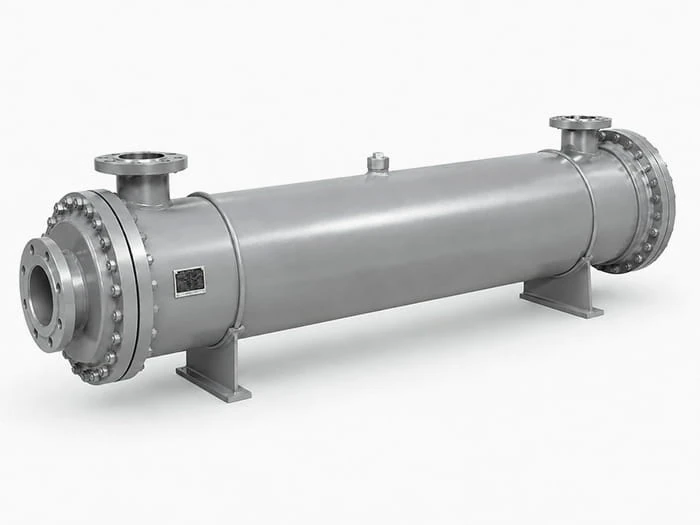
Straight Tube Configuration
Straight tube bundles suit vessel geometries and duties where end-to-end tube access matters more than a single penetration.
Configuration
- Tube arrangement: Straight, through vessel
- Penetrations: Two
- Tube access: End to end
- Expansion: Design accommodation required
Features
- Tubes rodded end to end
- Individual tubes replaceable
- Suits long narrow vessels
- Two flanged connections
- Odd or even pass counts
Consider Instead
- U-tube where one penetration is preferred
- U-tube where expansion is severe
- U-tube for potable storage
- External exchanger where contents can be pumped
| CONSTRUCTION | PENETRATIONS | TUBE ACCESS | EXPANSION |
| Straight Tube | Two | End to end | Accommodated at design |
When Straight Tube Is the Right Answer
Tube-Side Fouling Decides It
If the medium inside the tubes lays down a deposit that needs mechanical removal, straight tube construction is the only arrangement that permits it. Nothing rigid passes a U-bend, and chemical cleaning is not always sufficient.
On clean heating media, which is most tank heating duty, that advantage returns nothing and the single penetration of a U-bundle is worth more.
Vessel Geometry
Long narrow vessels, existing nozzle pairs and arrangements where the bundle passes through the tank rather than into it all favour straight tube construction. So does any case where the available nozzle is too small to admit a U-bundle of the required surface.
Send the vessel drawing along with the duty. The geometry frequently decides the arrangement before the thermal calculation does.
Common FAQs
For tube-side mechanical cleaning, or because the vessel geometry suits it. Straight tubes can be rodded end to end and replaced individually, neither of which is practical on a U-bundle.
Yes, because the tubes terminate at both ends. That means two flanged connections to seal and maintain, which is a real consideration on a product-contact or potable vessel.
It has to be designed for, since both ends are constrained. That is a design input rather than something the construction absorbs automatically the way a U-bundle does.
U-tube. The catalogued TCS, TCW, DTCS and DTCW ranges are all U-tube bundle in tank. Straight tube arrangements appear where the vessel or the duty specifically calls for them.
Related
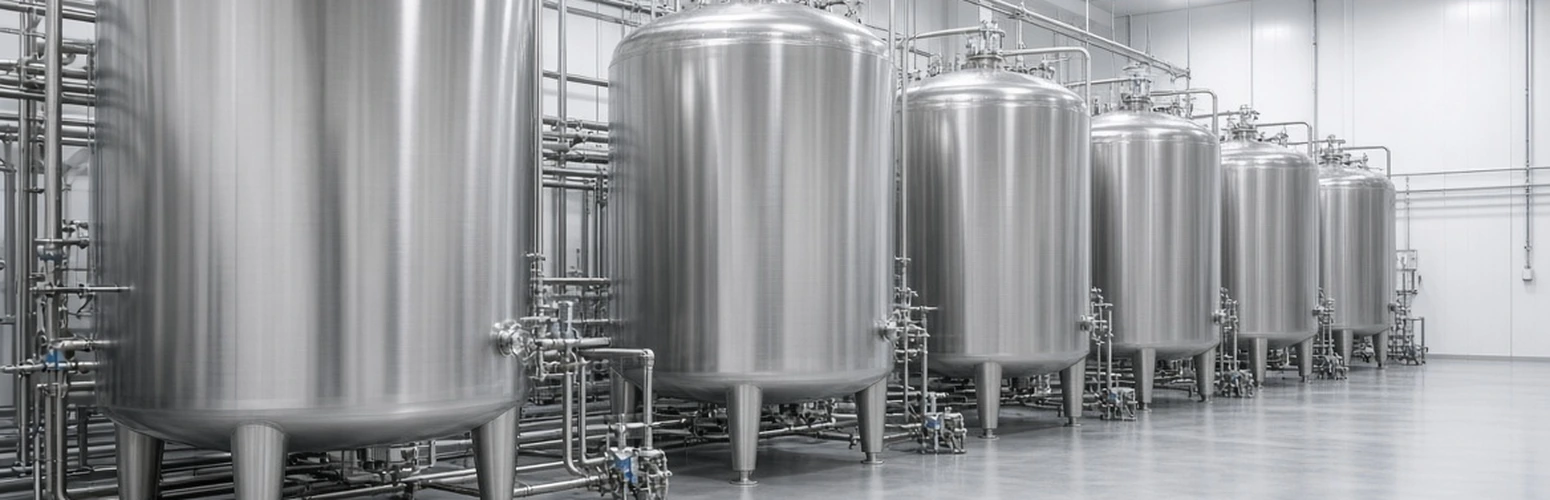
U-TUBE • TANK
U-Tube Bundle in Tank
One penetration, free expansion and a removable bundle.
+ Learn More