1-805-484-2992
Quotes - Engineering - SalesCompressor Cooling and Aftercooling
Heat, Moisture and the Cost of Pressure Drop
A compressor delivers hot saturated air, and both the heat and the moisture cause problems downstream. An aftercooler drops the temperature so moisture condenses where a separator can remove it, and it protects the dryer, the receiver, the distribution piping and the tools.
Approach temperature is worth money. The colder the air leaves, the more moisture has already dropped out and the less the dryer has to handle. Dryer capacity is expensive to buy and expensive to run; aftercooler surface is neither.
A separator is part of the system. The aftercooler condenses moisture but does not remove it. Without a separator and a working trap, that water enters the distribution system in slugs, which does more damage than saturated air would have.
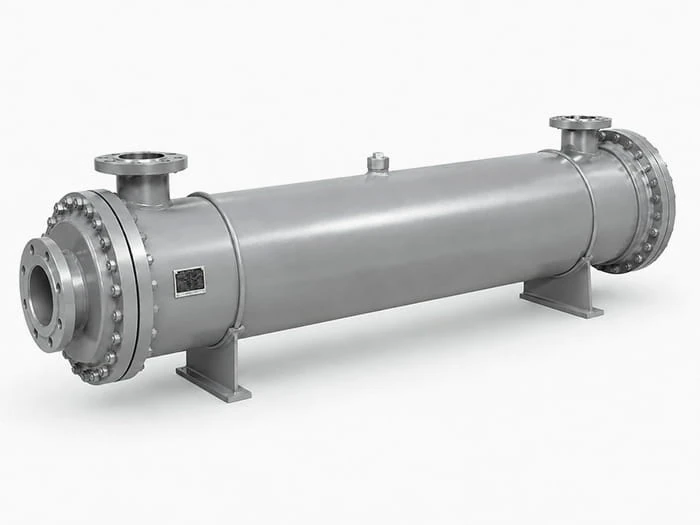
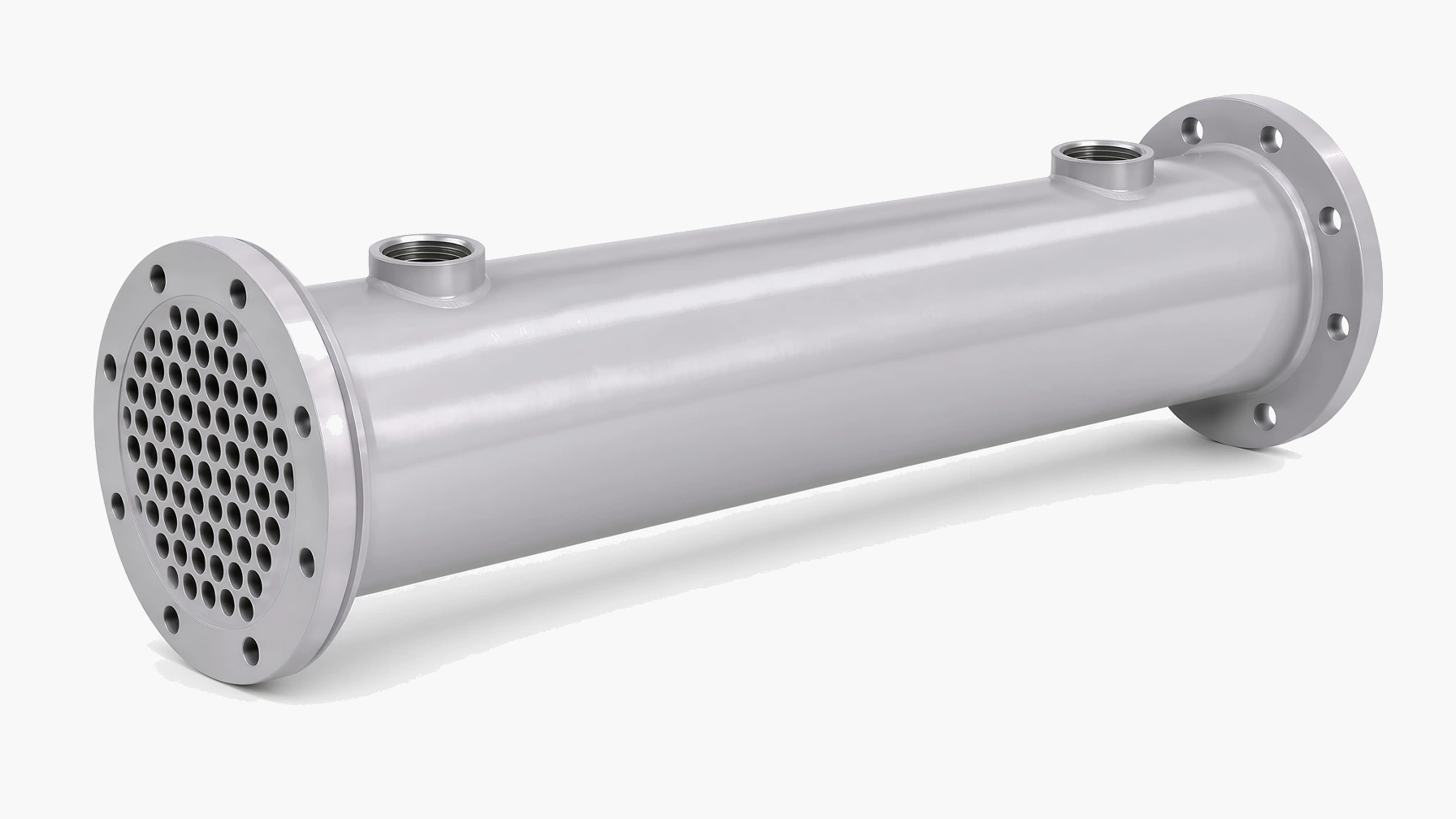
Air-side pressure drop is compression energy already spent. Every psi lost across the aftercooler was paid for at the compressor and is lost every hour it runs. That is why the ACA and ACFR ranges use single-pass air flow.
Oil coolers matter too. Rotary screw compressors reject a large share of their heat through the lubricant, and that cooler is as important to reliability as the aftercooler. The OC range covers it.
 Compressed Air
 Moisture Removal
 Lubricant Cooling
 Pre-Dryer Cooling
Compressor Cooling Selection
Air flow at inlet conditions, discharge temperature and the cooling water available.
Duty Inputs
- Air flow: SCFM or ACFM
- Discharge temperature: From the compressor
- Target outlet: Approach to cooling water
- Cooling water: Flow and supply temperature
Series
- ACA for round shell dimensions
- ACFR and ACF on pipe-size shells
- OC for lubricant cooling
- GC for hot gas streams
- Single pass on the air side
System Parts
- Aftercooler
- Separator and trap
- Dryer downstream
- Lubricant cooler
- Cooling water circuit
Most Aftercooler Problems Are Drainage Problems
The Separator and Trap Are Not Accessories
An aftercooler produces liquid water by design. If the separator is missing or undersized, or the trap has failed, that water is delivered into the distribution system in slugs. Slugs of liquid water damage tools and instruments far more than saturated air would have.
Where an installation has a water problem downstream of an aftercooler, check the drain arrangement before questioning the exchanger. It is the more likely culprit by a wide margin.
Buy Approach Temperature, Not Dryer Capacity
Every degree of approach left in the air after the aftercooler is moisture load handed to the dryer. Dryers, whether refrigerated or desiccant, cost considerably more per unit of moisture removed than aftercooler surface does.
Where there is scope to specify a slightly larger aftercooler and get closer to the cooling water temperature, the payback continues for the life of the installation.
Related
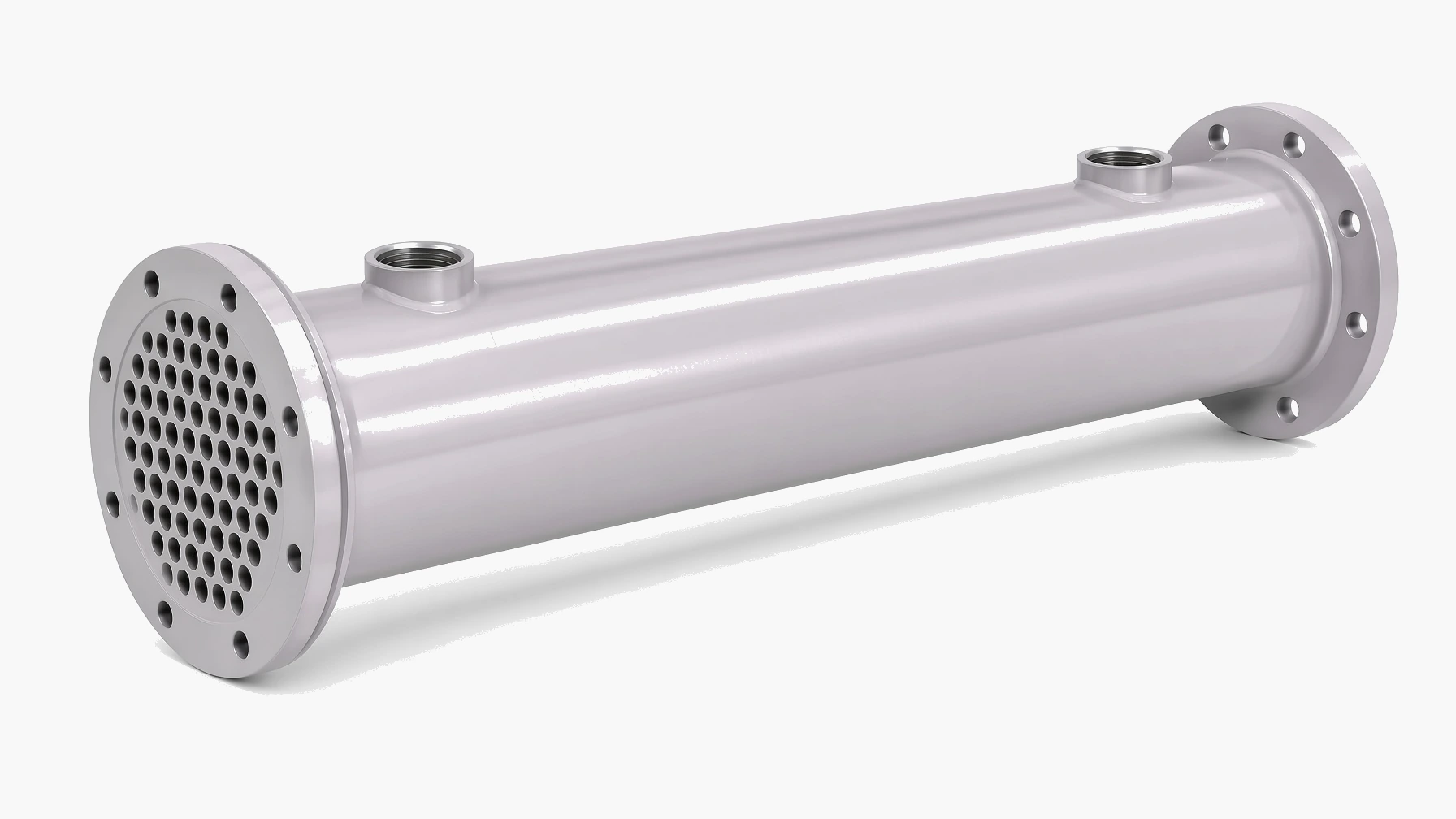
SERIES • PIPE SHELL
ACFR Series
Pipe-size shell aftercoolers, ACF and ACFR designations.
+ Learn More