
1-805-484-2992
Quotes - Engineering - SalesBell & Gossett Replacement Tube Bundles
Replacing the Bundle Instead of the Exchanger
A removable bundle turns what would be a capital replacement into a maintenance item. The shell stays in place with its nozzle geometry, supports and pipework untouched, and a new bundle goes back into it.
When a bundle has reached the end. Plugged tube count is the usual indicator. Every plug removes surface area and shifts the flow distribution slightly, and plants routinely run past the point where the exchanger can still make its duty. Once plugging reaches the low single-digit percentages of tube count, a replacement bundle is worth costing against continued plugging.
Identification comes from the nameplate. The unit part number establishes the series, the shell diameter and length, the tube count and the pass arrangement, which is everything needed to build a bundle that fits. Measuring is a fallback, not a first choice.
Replacement is the moment to reconsider materials. If the old bundle failed by corrosion rather than mechanical damage, putting the same material back is repeating the experiment with a known outcome. The shell and nozzle geometry stay the same, so a material change costs only the material difference.
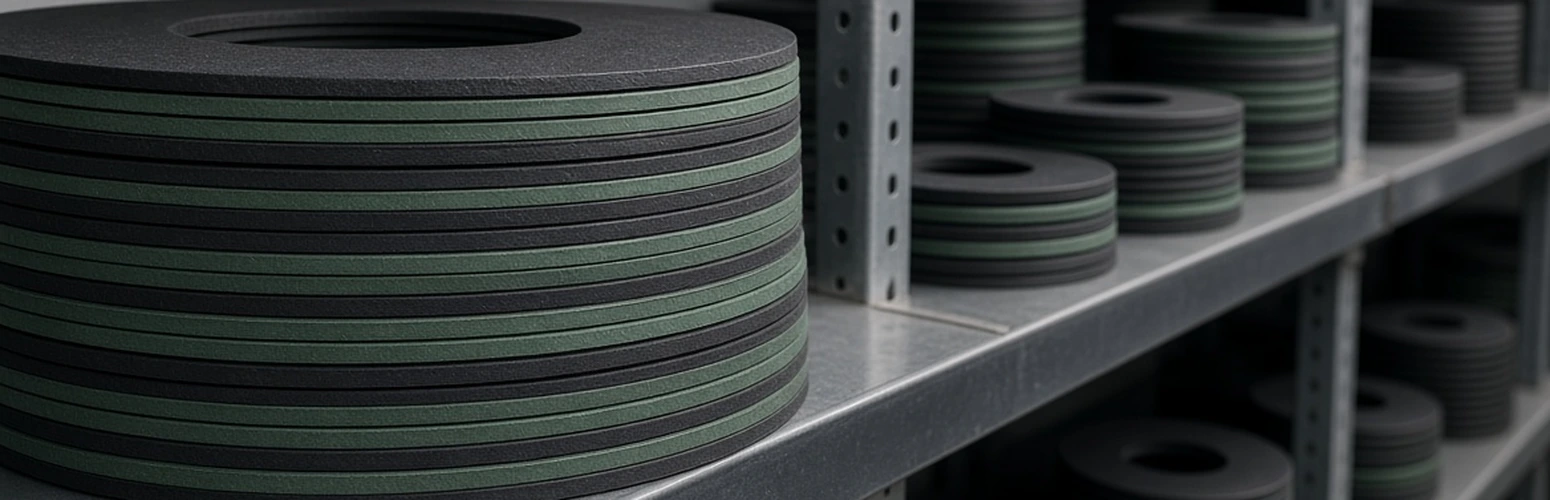
Order the gaskets at the same time. A bundle arriving without the head and tank gaskets it needs is a bundle that sits on the floor. They are consumables and they should be renewed whenever the joint is opened regardless.
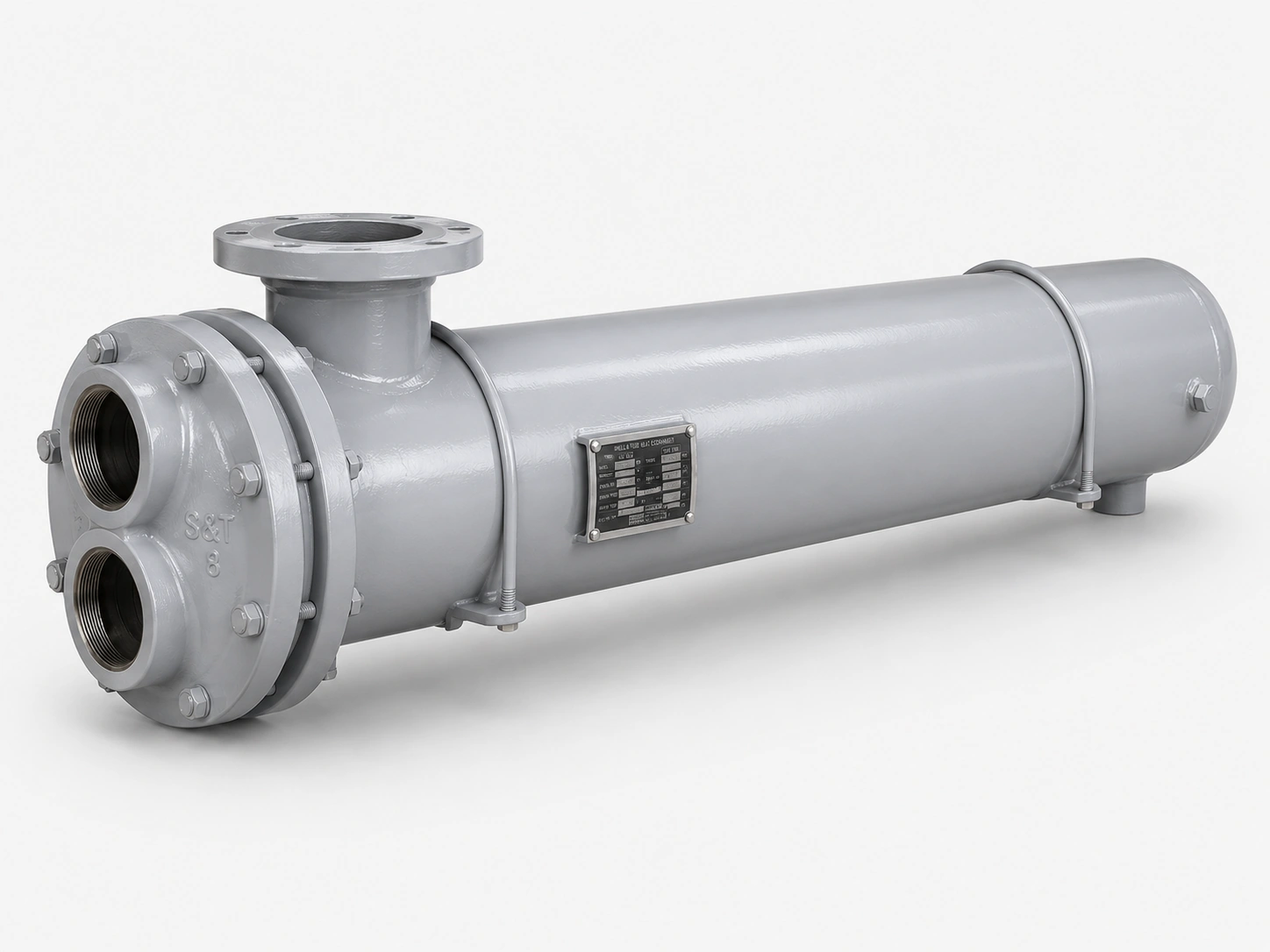
Bundle Replacement
Bundles are built to fit the existing shell. The unit part number establishes the geometry required.
Identified By
- Primary: Unit nameplate part number
- Series: SU, WU, OC, CHX and others
- Geometry: Shell diameter and length
- Arrangement: Pass count
Order With
- Head gasket set
- Tank gasket set
- Any bonnet hardware required
- Zinc anodes if fitted
- Nameplate photograph for the record
Consider
- Material upgrade if corrosion failed it
- Clearance to withdraw and reinstall
- Plugged tube count as a trigger
- Whether the shell is still sound
- Spare bundle for critical duty
| PART TYPE | IDENTIFIED BY | FITS | OPTION |
| Tube Bundle | Unit part number | Existing shell | Material upgrade |
Getting a Bundle Replacement Right
Send the Nameplate, Not the Measurements
The unit part number encodes everything a bundle needs to match: series, shell diameter, shell length, tube count and pass arrangement. A photograph of the nameplate is faster and far more reliable than a set of field measurements.
Where the nameplate is gone, measurements will do, and we will tell you exactly what to record. But the nameplate is a five-minute job and it removes the guesswork entirely.
Check the Shell While the Bundle Is Out
A bundle replacement is the one opportunity to inspect the shell interior properly. Look at the baffle contact areas, the nozzle entries and the gasket faces, because a shell that has thinned or eroded will not seal a new bundle any better than it sealed the old one.
Finding a shell problem while the bundle is out is inconvenient. Finding it after the new bundle is installed is considerably worse.
Common FAQs
On the removable-bundle ranges, yes, and it is normally the sensible move. The shell, nozzles, supports and pipework stay in place and a new bundle goes back into the shell you already own.
There is no universal figure, because it depends on how much margin the exchanger had. Every plug removes surface and distorts flow distribution. As a practical trigger, once you are into the low single-digit percentages of tube count, cost a replacement.
From the unit part number on the nameplate. It establishes series, shell dimensions, tube count and pass arrangement. Send a photograph rather than measurements where the nameplate survives.
If the old bundle failed by corrosion, yes. Replacing like for like repeats the experiment. The shell and nozzle geometry stay the same, so an upgrade costs only the material difference.
Order them explicitly. They are consumables and should be renewed whenever the joint is opened, and a bundle arriving without its gasket set cannot be installed.
Related

MATERIALS • TUBES
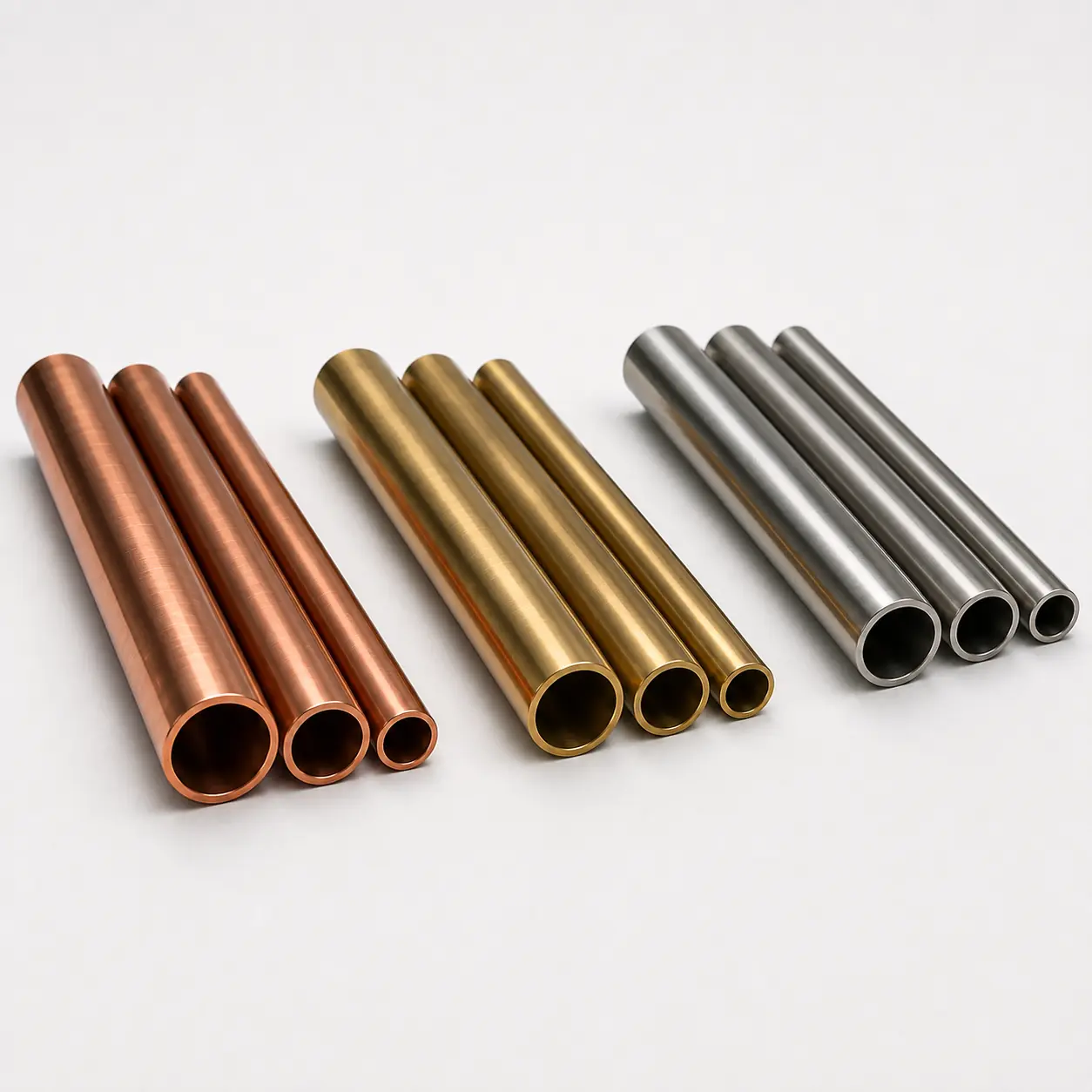
Tube Materials
What tube material to specify on a replacement bundle.
+ Learn More