1-805-484-2992
Quotes - Engineering - SalesBUYING VELOCITY
Single Pass and
Multi-Pass
Arrangements
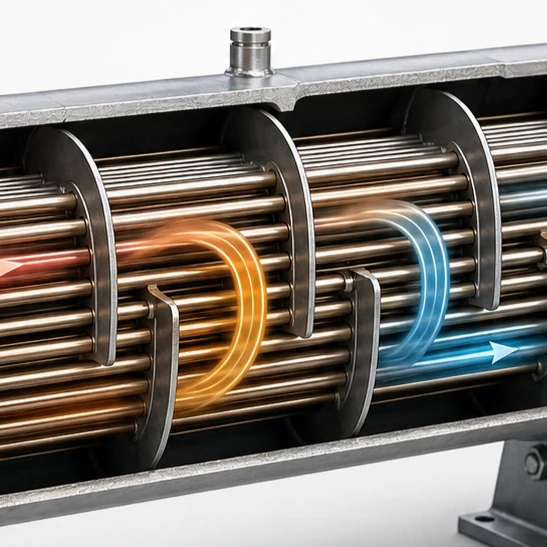
A pass is one traverse of the bundle. In a single-pass arrangement the tube-side fluid crosses once through every tube; in a four-pass arrangement it crosses four times through a quarter of them each time, so velocity is roughly four times higher at the same flow. Velocity is what makes the tube-side coefficient useful, because below turbulent flow the coefficient collapses and deposits are free to settle.
The penalty is pressure drop, and it is steep. Drop rises roughly with the square of velocity and with the length of the flow path, so doubling the pass count multiplies pressure drop considerably. The fourth pass frequently costs more in pumping power than it returns in surface reduction, and a rating that needs six passes to make the duty is a signal to consider a larger shell instead.
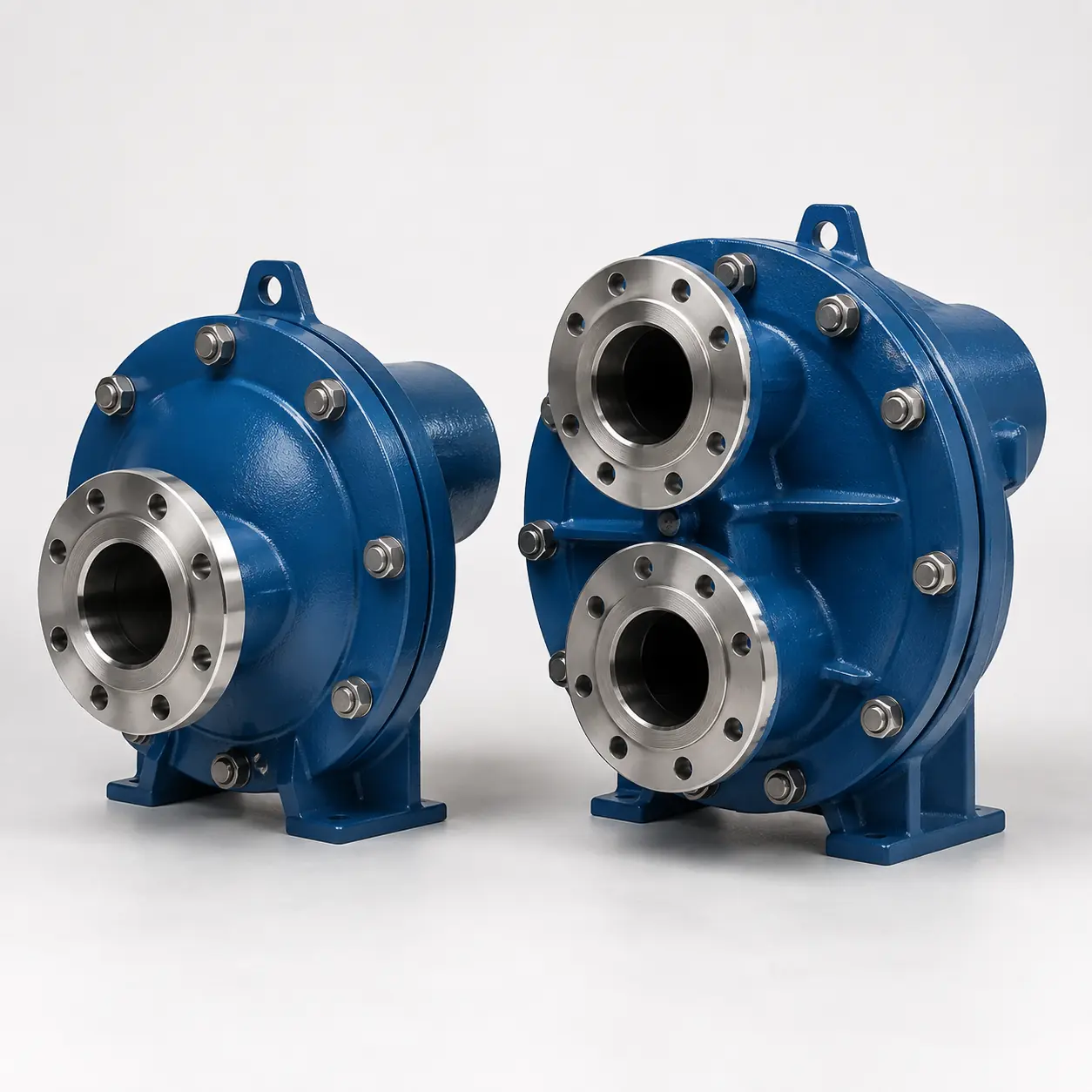
Availability varies by range. The general liquid and steam ranges offer two, four and six pass; the compact ranges offer one, two and four; the tank heaters are two pass throughout; and the aftercoolers and gas coolers are single pass because air and gas pressure drop is compression energy already paid for at the compressor and lost every hour the plant runs.
Request a QuoteAdding passes reduces the surface area needed and raises the pressure drop. There is usually a clear optimum, and it is frequently at two or four rather than higher.
Viscous Product
Where Velocity Costs the Most
- Turbulent Flow Held at Low Velocity
- Pressure Drop Budgeted Before Pass Count
- Larger Shell Preferred Over a Sixth Pass
Rapid Cooling
Close Approach at High Flow
- Approach Temperature Set by Arrangement
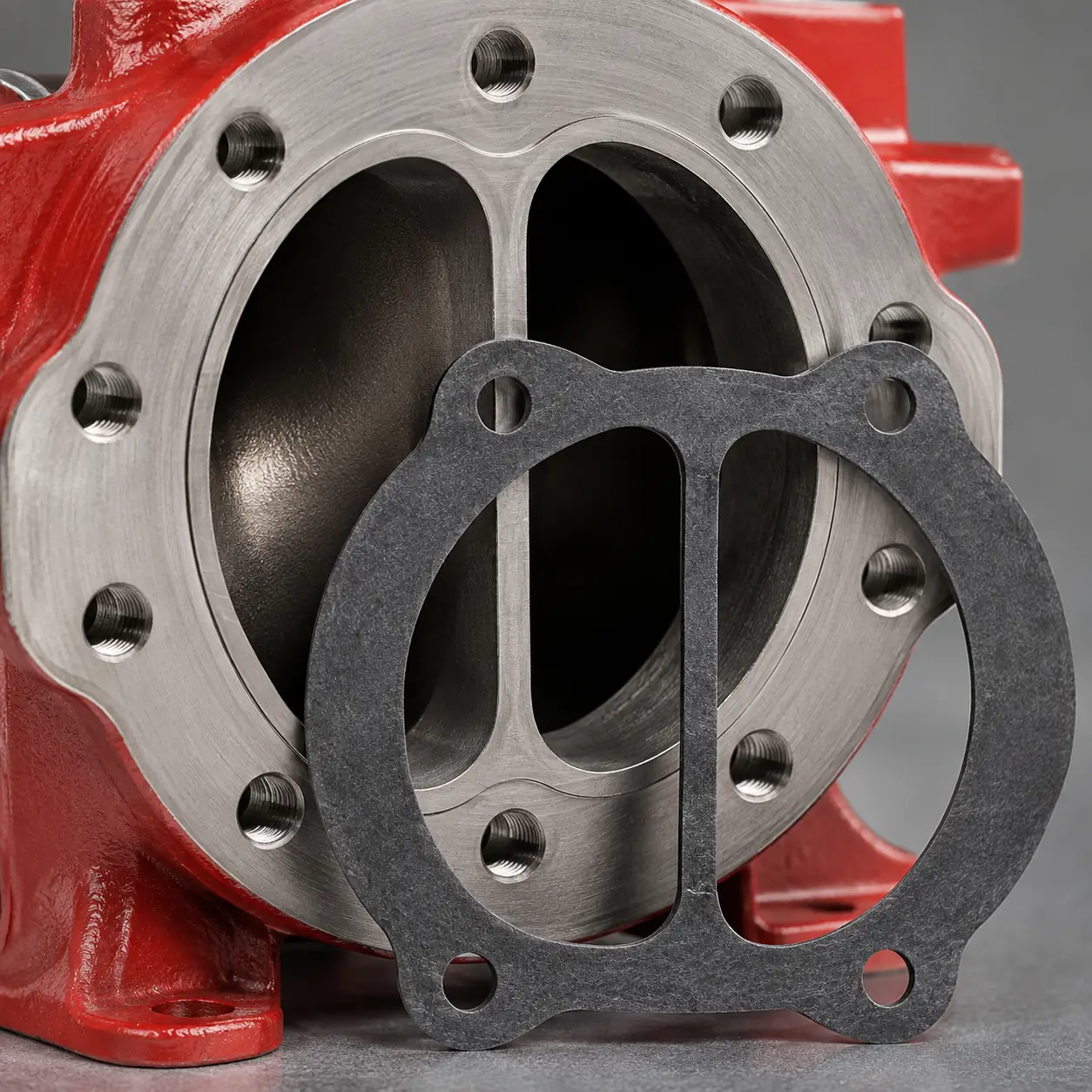
- Partition Rib Matched to the Bonnet
- Short Residence Time Through the Unit
Arrangement by Range
The catalogued part number records the arrangement a given unit carries, and it also determines which bonnet and which head gasket will fit when spares are ordered.
- Two, four and six pass on the general steam and liquid ranges
- One, two and four pass on the compact ranges
- One and two pass on the oil cooler range
- Two pass throughout on the tank heater ranges
- Single pass on aftercoolers and gas coolers to protect pressure drop
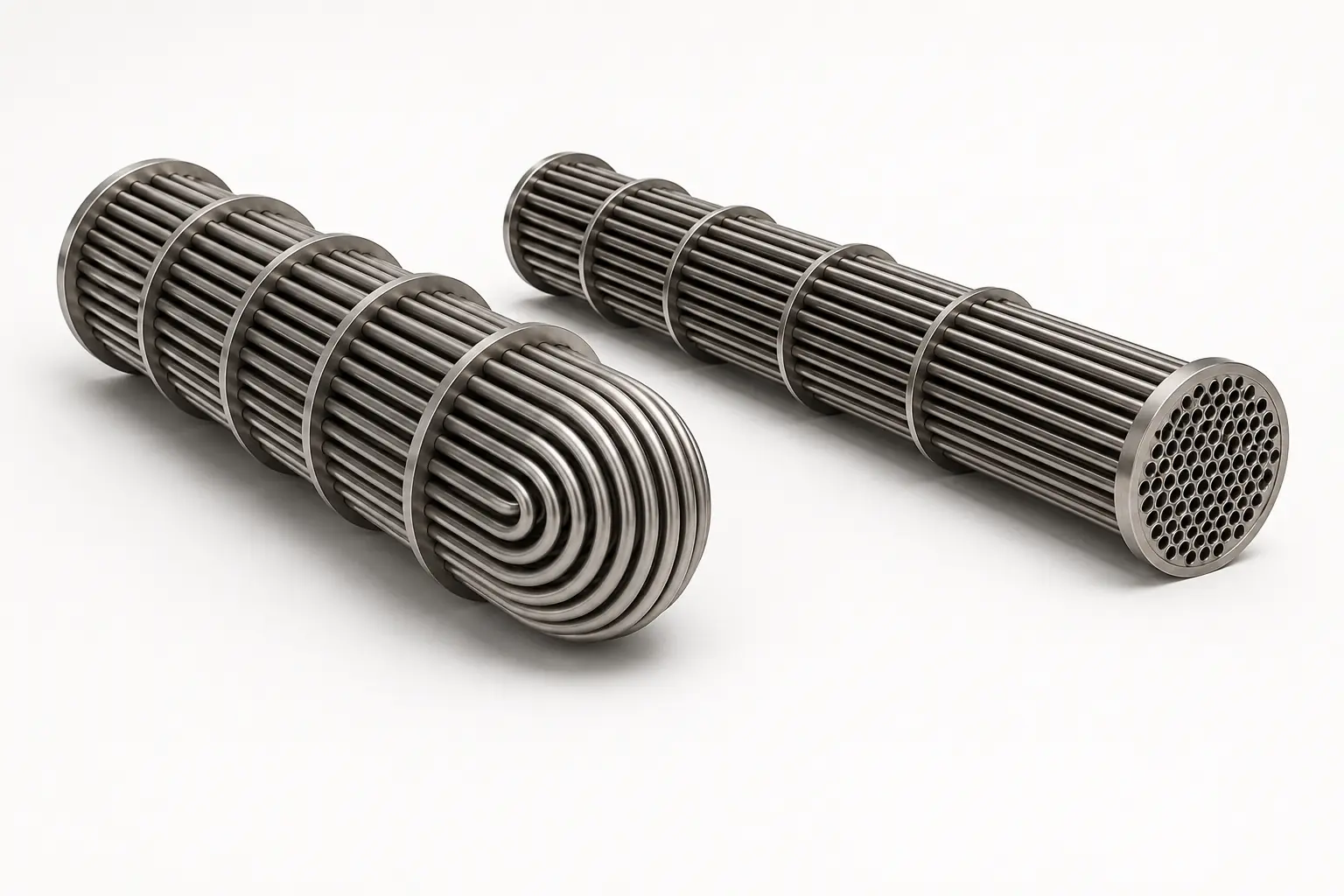
- U-tube pass counts always even, because the fluid returns through the other leg
The Partition Is a Maintenance Detail Too
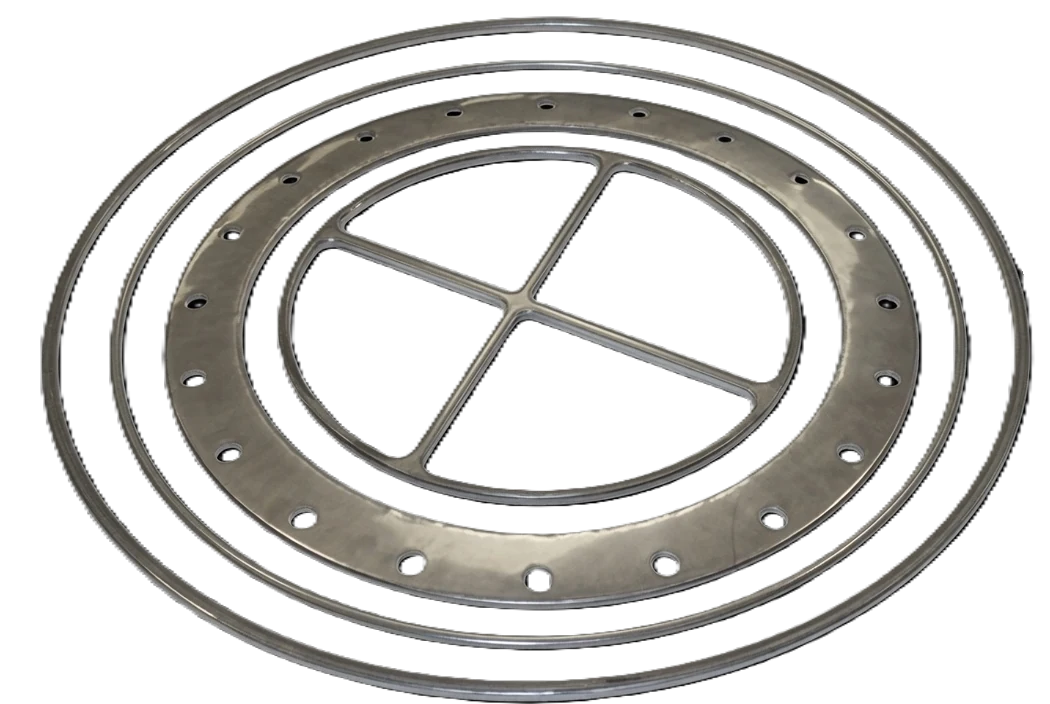
A multi-pass arrangement is created by partition plates in the bonnet and a matching rib on the head gasket. Mixing a two-pass gasket with a four-pass bonnet produces a partition leak: fluid short-circuits from inlet to outlet, duty falls, and nothing externally indicates a leak at all.
- Bonnet, head gasket and bundle all specified for the same pass count
- Partition geometry confirmed before a gasket is ordered
- Outlet temperature drift treated as a possible partition leak
- Unit part number quoted when ordering either component
- Pressure drop rechecked if the arrangement is ever changed
Common FAQs
One traverse of the bundle by the tube-side fluid. A four-pass arrangement sends the fluid through a quarter of the tubes four times, so velocity is roughly four times higher at the same flow.
Because pressure drop rises roughly with the square of velocity while the thermal benefit rises much more slowly. The fourth pass often costs more in pumping power than it saves in surface area.
Because air-side pressure drop is compression energy already paid for at the compressor and lost every hour it runs. Single pass keeps that loss to a minimum.
Yes. Bonnets and head gaskets are both specific to the pass arrangement, because the partition geometry differs. Quote the unit part number when ordering either.
Related