1-805-484-2992
Quotes - Engineering - SalesBrewery Applications
Liquor Heating and Cleaning Between Brews
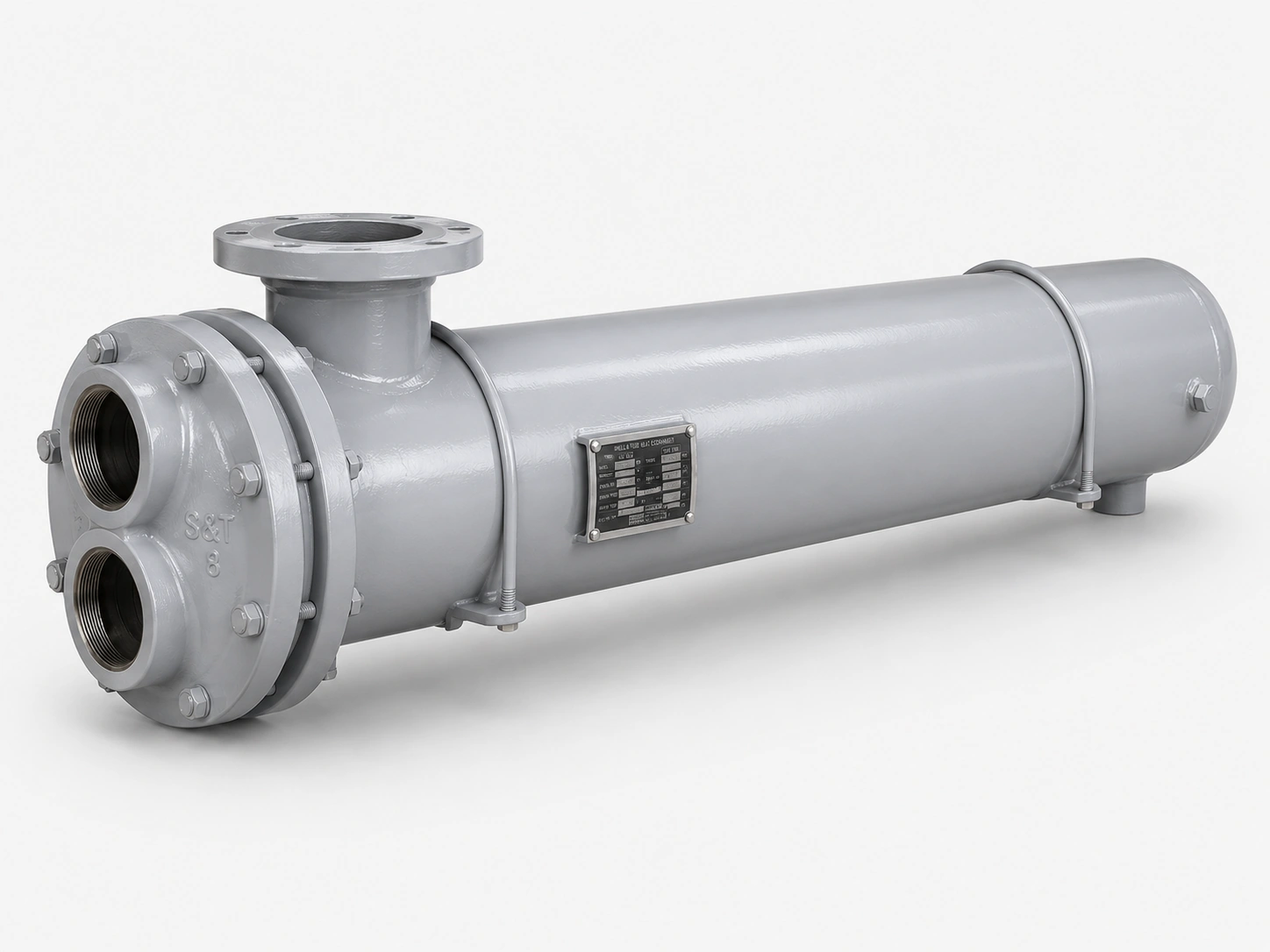
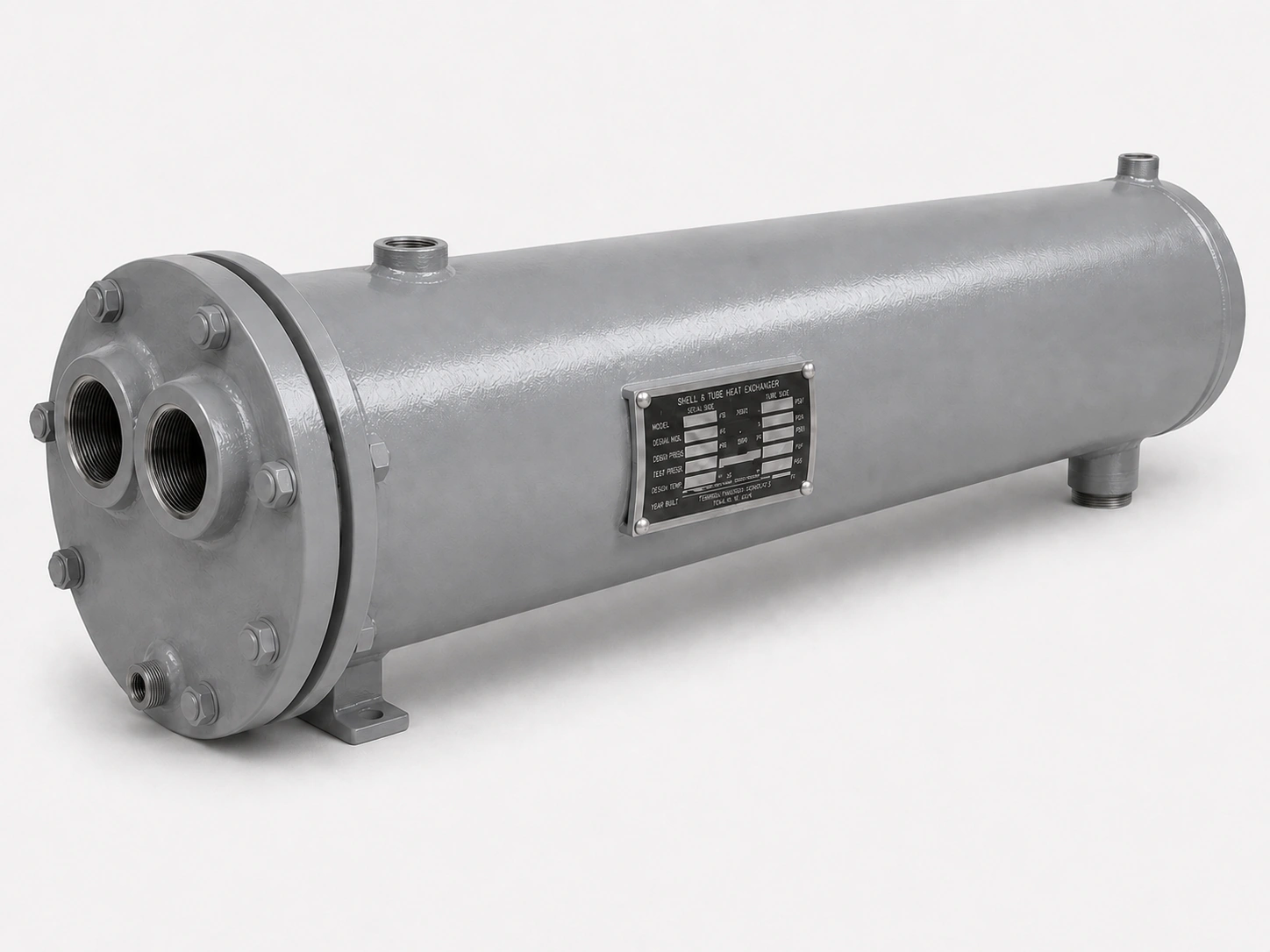
A brewery's utility heat goes into two places: hot liquor for mashing and sparging, and cleaning solutions between brews. Both are batch duties with sharp demand peaks and quiet periods, and both are well served by a steam-to-liquid or liquid-to-liquid shell and tube unit.
Hot liquor is a storage and recovery problem. A brew day needs a large volume of hot liquor at a specific temperature within a defined window. That is the same trade as domestic hot water: tank volume against recovery rate, with the heater sized on how quickly the tank has to refill.
CIP runs between every brew. A brewery cleaning between batches is running its CIP system constantly, and the heater's ramp rate sets how long each turnaround takes. On a brewery running multiple brews a day that is capacity, not just convenience.
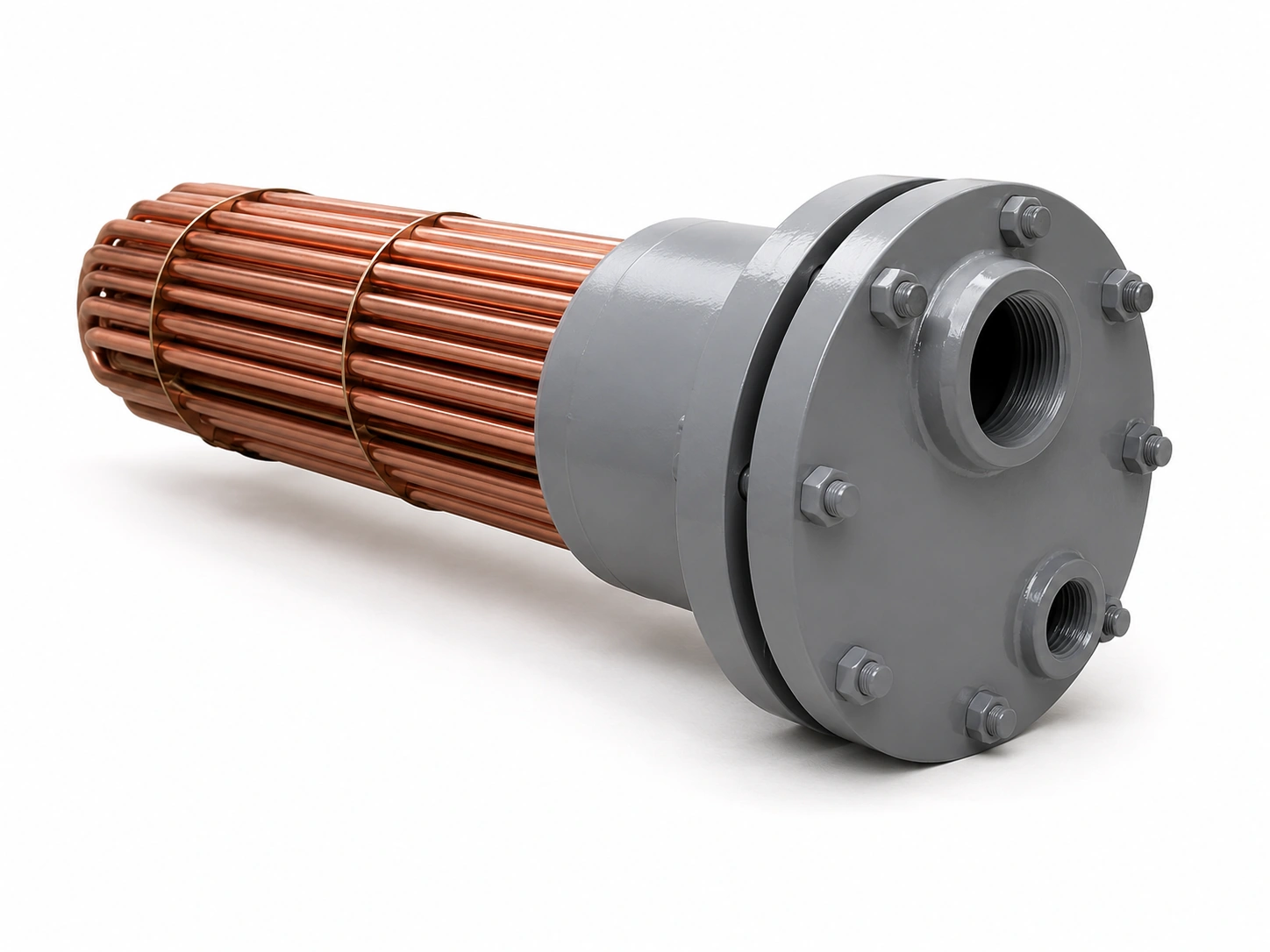
Batch duty means thermal cycling. The heater goes from no load to full load and back several times a day. A U-tube bundle absorbs that without an expansion joint, which is why it suits brewery utility duty better than a fixed tubesheet unit would.
Water quality varies and scales. Brewing water is frequently treated for the beer rather than for the boiler house, and the utility side scales accordingly. A removable bundle and clearance to withdraw it are worth specifying.
 Hot Liquor Tanks
 Wort and Mash
 CIP Between Brews
 Batch Recovery
Brewery Utility Selection
The brew schedule as much as the thermal duty.
Duty Inputs
- Liquor volume: Gallons per brew
- Temperature rise: Cold to strike temperature
- Recovery window: Time between brews
- CIP volume and ramp: Per turnaround
Series
- SU on steam
- WU on a hot water circuit
- TCS or TCW for liquor tank heating
- DSU or DWU where potable
- Sized on batch recovery
Brewery Realities
- Sharp batch peaks
- CIP between every brew
- Several thermal cycles daily
- Variable water chemistry
- Tight turnaround windows
Batch Duty Rewards Recovery Rate
Size on the Turnaround, Not the Average
A brewery's heat demand averaged over a day looks modest. Averaged over the twenty minutes when the liquor tank has to be refilled to strike temperature, it does not. Sizing on the average produces a brewhouse that waits for hot water.
Tell us the volume, the temperature rise and the window. Those three numbers size the heater properly, and on a brewery adding brews they are the numbers that decide whether the schedule is achievable.
Several Cycles a Day Adds Up
A brewery utility heater may go from cold to full load and back four or five times a day, every day. Over years that is a large number of thermal cycles, and it is exactly the duty that fatigues an expansion joint.
A U-tube bundle has none, which is a substantial part of why the SU and WU ranges suit batch process plants.
Related