
1-805-484-2992
Quotes - Engineering - SalesCooling Gas at Temperatures the Liquid Ranges Never See
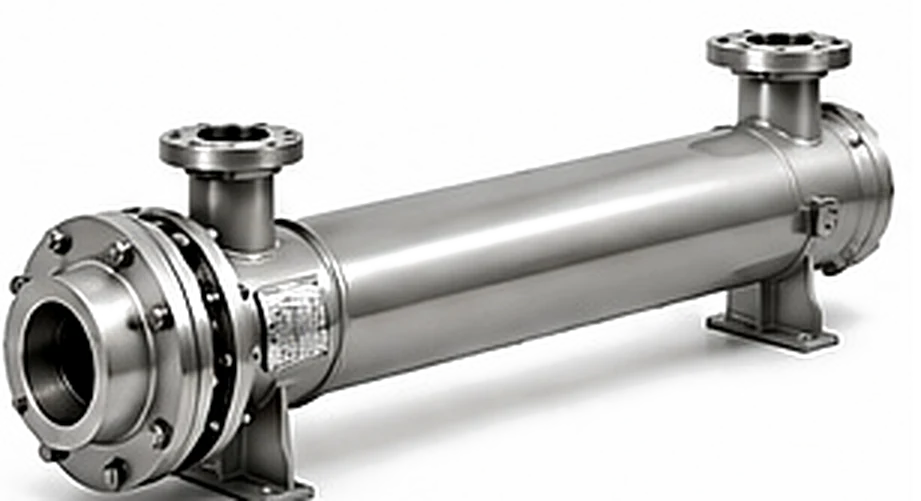
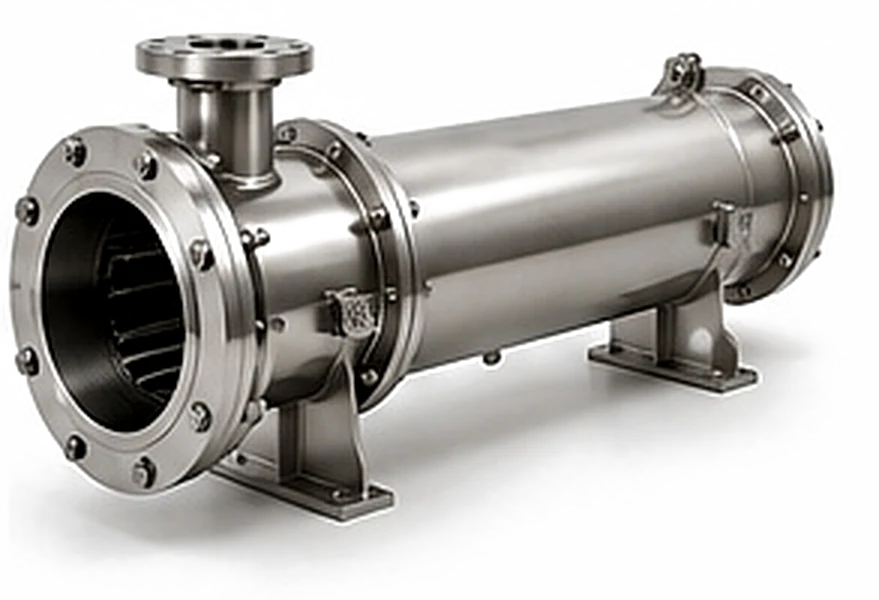
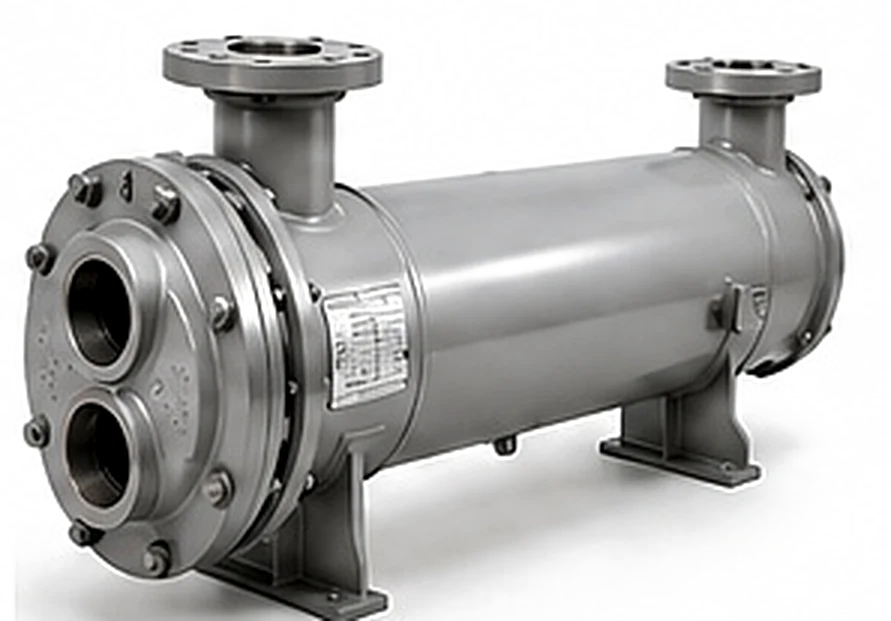
The GC is the outlier in the Bell & Gossett shell and tube line, and the number that separates it is temperature: 1000°F, against 300 to 375°F everywhere else in the catalogue. That capability drives the material and construction choices, and the poor gas-side film coefficient drives the geometry. Shell lengths run to 168 inches because the duty needs surface it cannot get from the coefficient.
- Rated to 1000°F with a steel shell, cast iron bonnets and steel tubesheets, in shell diameters from 3 to 12 inches.
- Copper or steel tubes are both catalogued. Copper transfers heat more readily; steel tolerates higher temperature and resists gas chemistries that attack copper.
- Single pass on the gas side. Raising gas velocity improves the coefficient but pressure drop rises with roughly the square of it, and on a ducted or compressed stream that drop is expensive.
- Shell lengths extend to 168 inches, which is how the range gets its surface area.




Design for the Condensate, Not the Dry Gas
Gas-side film coefficients sit far below liquid, so on almost any gas duty the gas side controls the design regardless of what is on the other side. That is why the range runs to 168 inch shell lengths rather than larger diameters: length buys surface, and surface is what a low coefficient demands. Sizing a gas cooler on the same basis as a water exchanger of similar duty will produce a unit less than half the size it needs to be.
Pressure drop is usually the binding constraint rather than the thermal duty. Raising velocity improves the coefficient, and drop rises with roughly the square of velocity. On a compressed stream that drop is compression work already paid for; on a ducted stream it is draft the system may not have. Send the allowable drop with the enquiry, because it frequently decides the selection before the heat balance does.
The detail most often missed is what happens as the gas cools past its dew point. Latent heat is released, which changes the duty profile, and liquid appears that has to be drained. More importantly the first condensate to form concentrates whatever acid the gas carries into a very small volume against the tube wall, and that film can be far more aggressive than the dry gas analysis suggests. Material selection should follow the expected condensate chemistry rather than the gas.
Gas Cooling Applications
PROCESS • HOT GAS
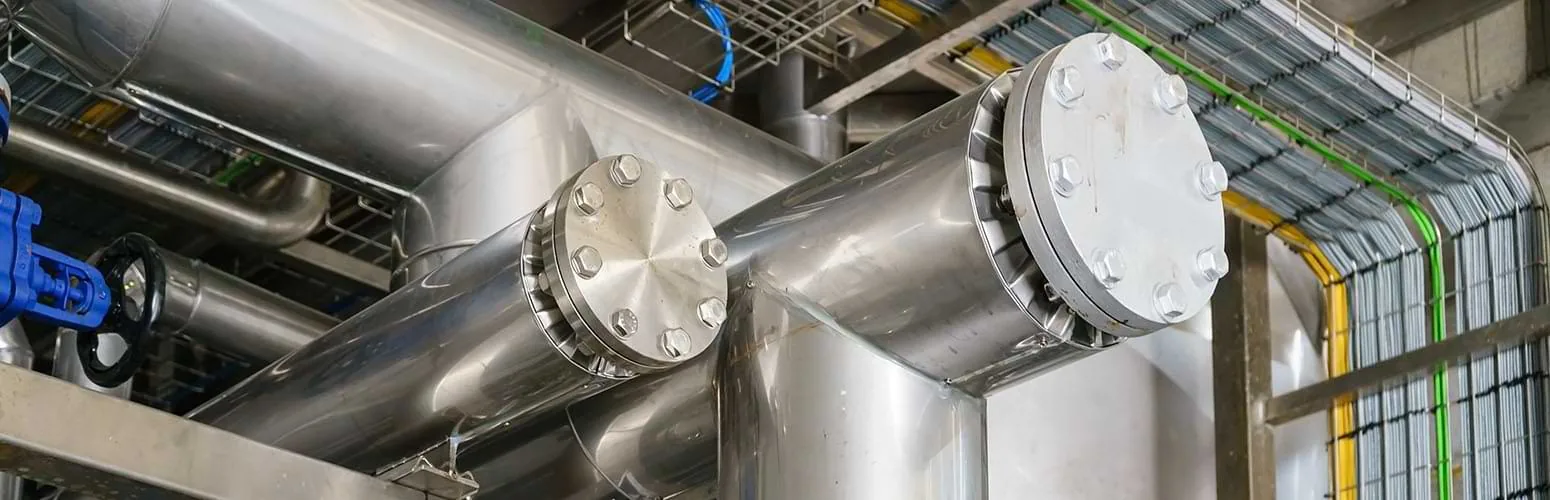
Process Gas Cooling
Reactor overheads, vent streams and process gas that has to come down before the next unit operation sees it.
+ Learn More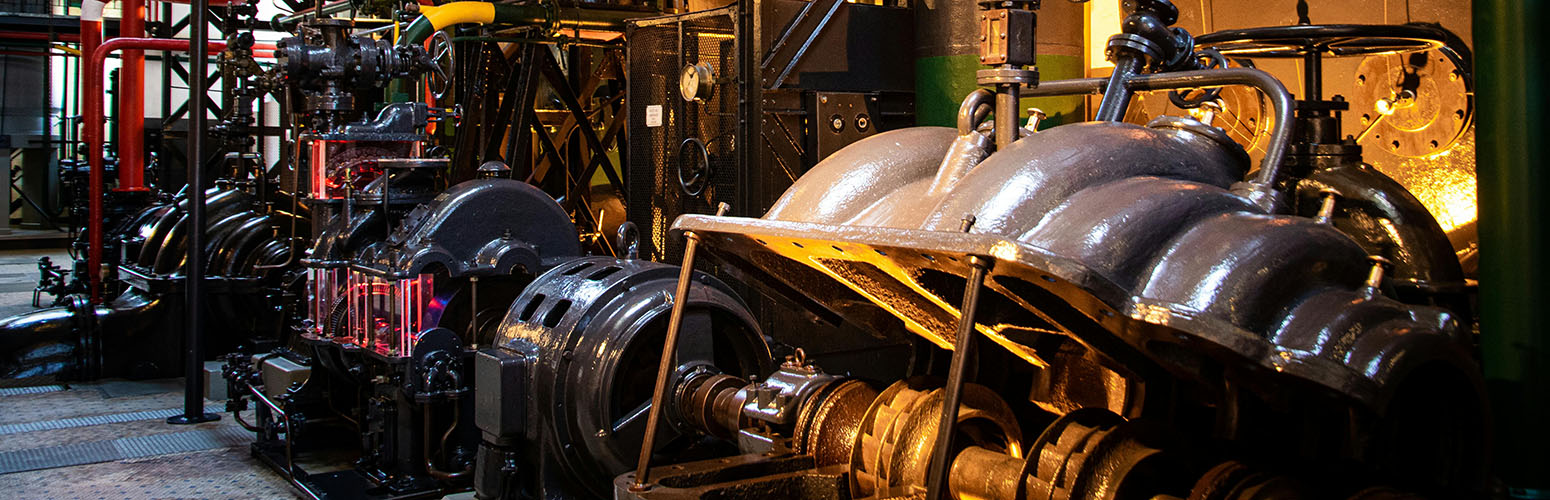
ENGINE • EXHAUST
Exhaust Gas Cooling
Engine and turbine exhaust at temperatures well beyond what the liquid ranges are rated for.
+ Learn More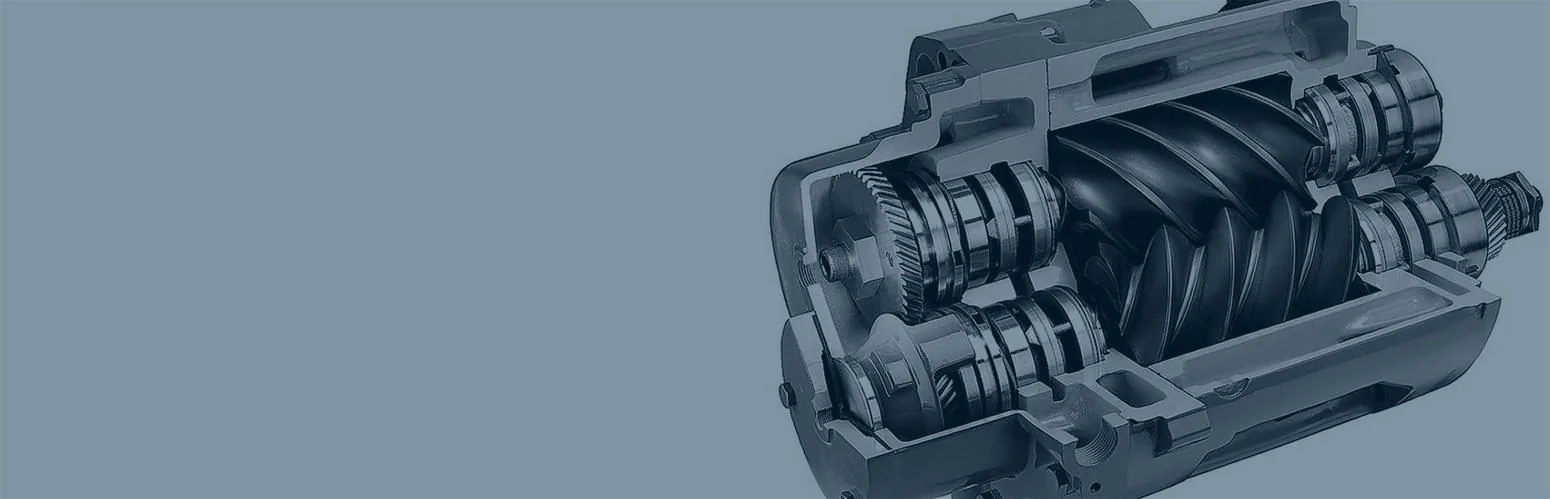
COMPRESSED AIR • PACKAGES
Aftercooling
Where the stream is compressed air rather than hot process gas, the ACA and ACFR ranges are the economical answer.
+ Learn More