
1-805-484-2992
Quotes - Engineering - SalesBell & Gossett Heat Exchanger Bonnets
Tube-Side Closure, Connections and Pass Partitions
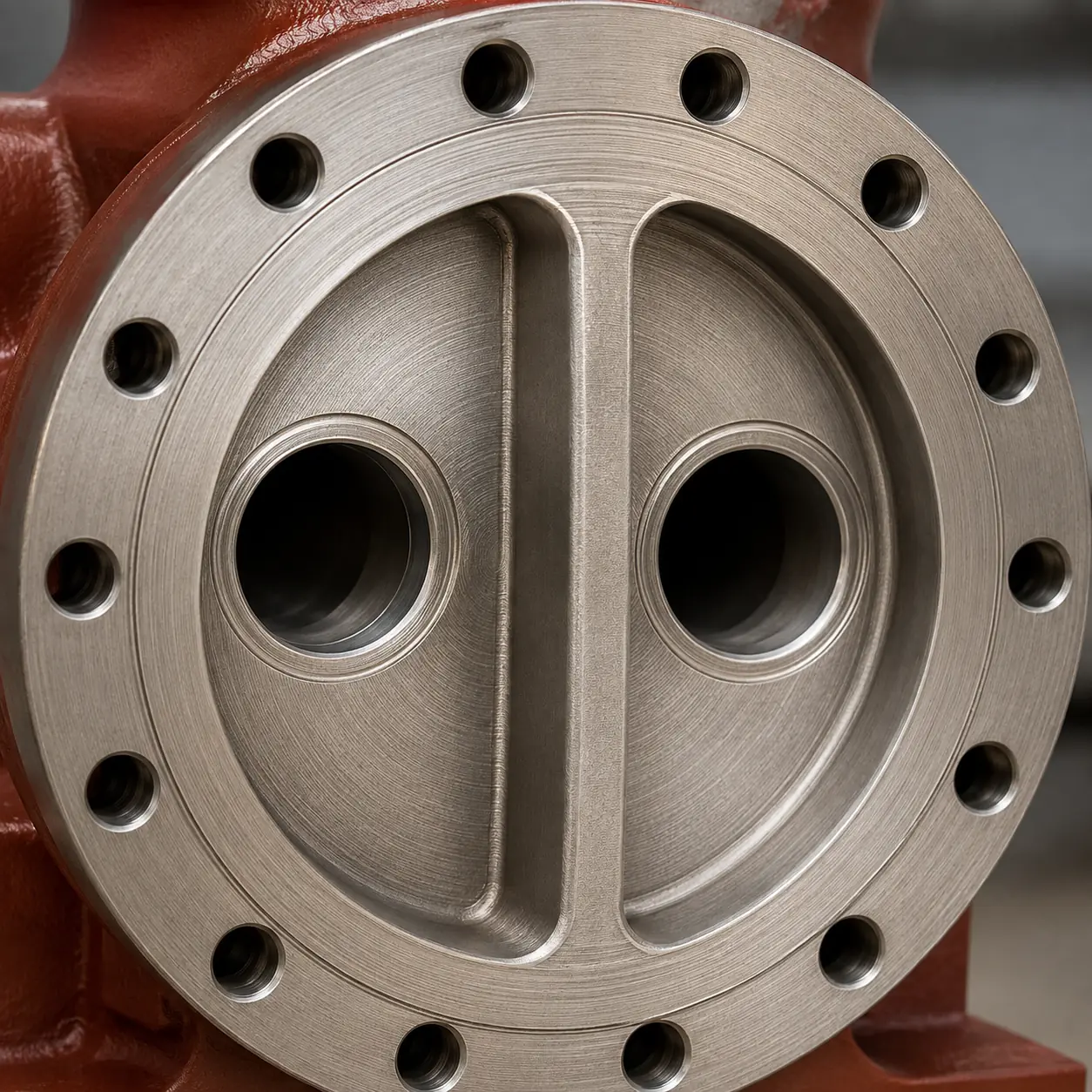
A bonnet bolts to the tubesheet and closes the tube side. It carries the tube-side inlet and outlet connections and, on multi-pass units, the partition plates that route the fluid back and forth through the bundle.
Materials across the range. Cast iron is standard on most catalogued units. Cast brass appears where the tube-side fluid or the environment favours it, and some SU units carry steel bonnets. The part number establishes which a given unit has, and substituting materials changes both the corrosion behaviour and the weight.
Pass partitions make the bonnet arrangement-specific. A 2-pass bonnet and a 4-pass bonnet for the same shell diameter are different castings, because the partition geometry differs. This is the same reason head gaskets are pass-specific, and the two parts have to match each other as well as the unit.
Both tube connections are on the bonnet. Because a U-tube bundle returns the fluid to where it started, the tube-side inlet and outlet are both on the same end. That end is also the one you have to clear to withdraw the bundle, so the piping arrangement and the maintenance access are the same problem.
Condition matters. A cast iron bonnet that has been in service for decades may be sound, or it may have thinned enough at the gasket face that a new gasket will not seal. When a joint keeps weeping despite correct gaskets and torque, the bonnet face is worth measuring.
Bonnet Selection
Bonnets are specific to the shell size, the pass arrangement and the material specified for the unit.
Materials
- Standard: Cast Iron
- Alternative: Cast Brass
- Some SU units: Steel
- Identified by: Unit part number
Varies With
- Shell diameter
- Pass count and partition layout
- Connection size and type
- Material specified
- Series and vintage
Service Notes
- Must come off to pull the bundle
- Gasket face condition affects sealing
- Both tube connections mount here
- Match gasket to partition layout
- Weight is significant on large sizes
| PART TYPE | MATERIALS | VARIES WITH | FUNCTION |
| Bonnets | Cast Iron, Cast Brass, Steel | Shell size and pass count | Tube-side closure |
Bonnet Practice
Plan the Piping Around Bundle Removal
Both tube-side connections land on the bonnet, and the bonnet has to come off before the bundle can be withdrawn. If the piping is arranged so that removing the bonnet means dismantling half the plant room, the removable bundle is removable only in principle.
Unions or flanged breaks close to the bonnet, and clear space in line with the shell equal to the bundle length, are what make service practical.
Match the Partition Layout
A bonnet, its gasket and the bundle all have to agree on the pass arrangement. Mixing a 2-pass gasket with a 4-pass bonnet produces a partition leak that short-circuits flow with no external symptom.
When ordering either part, quote the unit part number so the pass arrangement is established from the record rather than inferred.
Common FAQs
Cast iron is standard across most of the catalogued range, with cast brass as an alternative and steel on some SU units. The unit part number establishes which a given exchanger carries.
No. The partition geometry differs between 2, 4 and 6 pass arrangements, so the castings differ. The bonnet, the gasket and the bundle all have to agree on the pass count.
Yes, which is why the piping arrangement around it matters. Unions or flanged breaks close to the bonnet make the difference between a routine service and a major disruption.
The bonnet gasket face. Decades of service can thin or pit it enough that a correct gasket will not seal. If gaskets and torque sequence are right and the joint still weeps, measure the face.
Related
ACCESSORIES • GASKETS
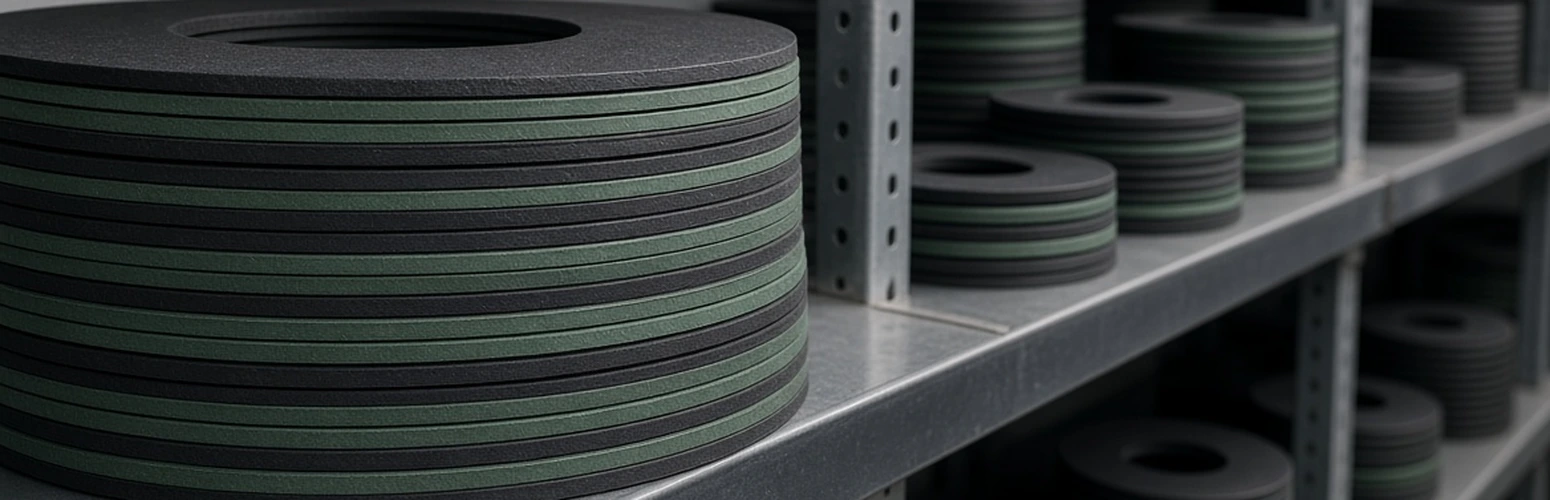
Gaskets
Head and tank gaskets, pass-specific and factory sourced.
+ Learn More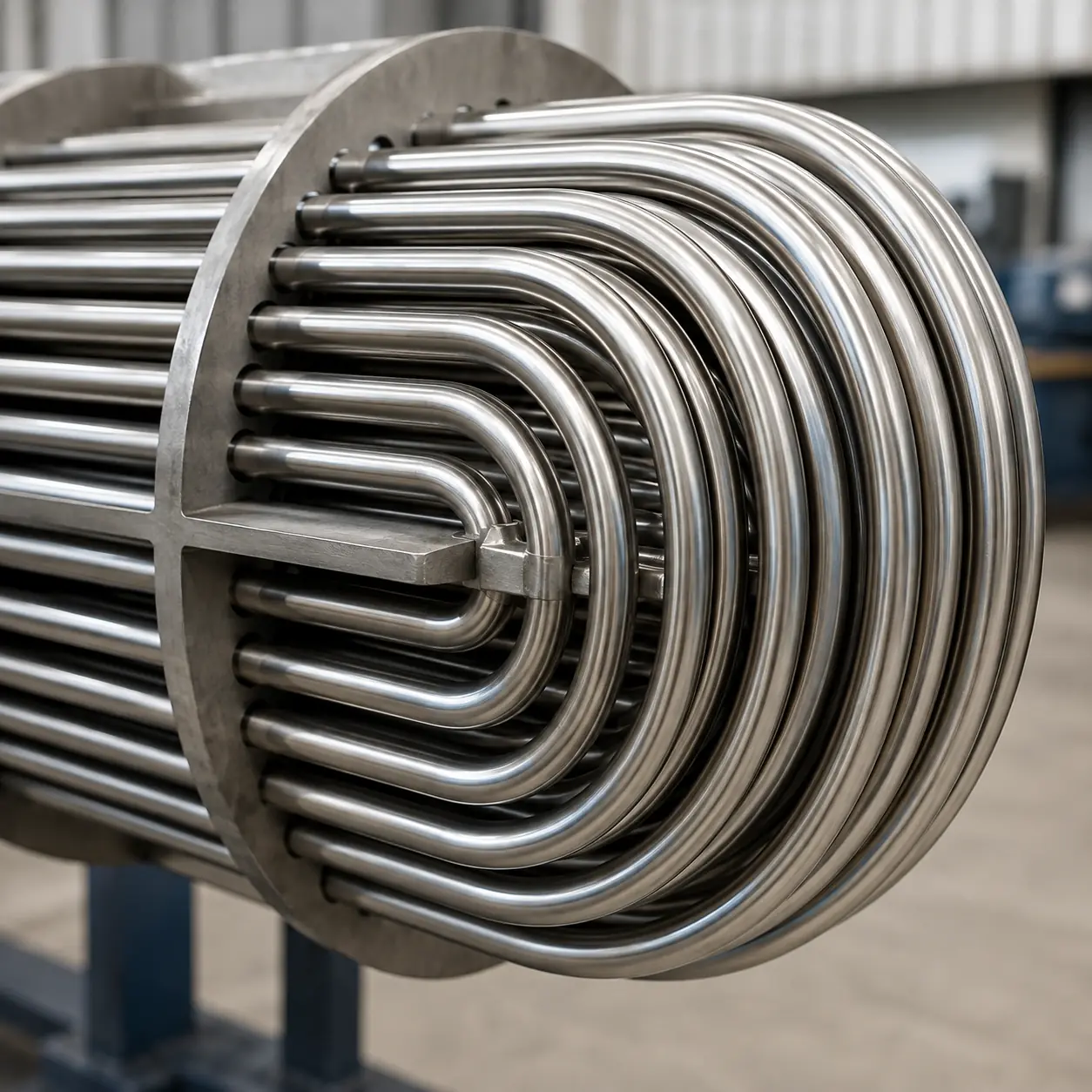
MATERIALS • COMPONENTS
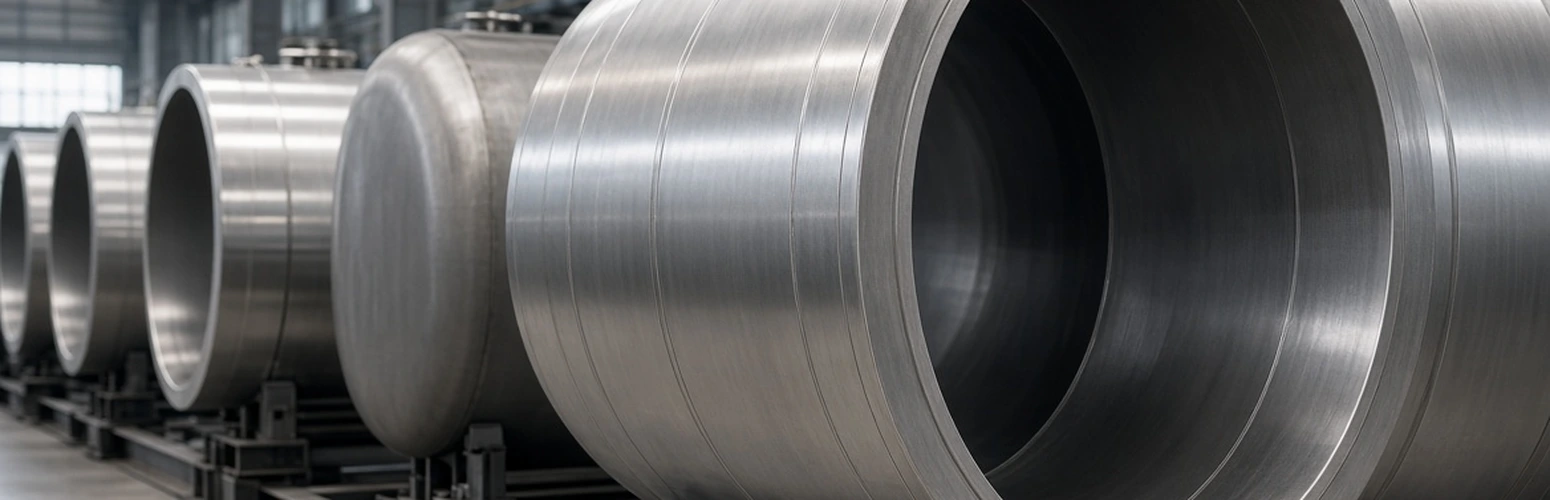
Other Components
Bonnet, tubesheet and hardware materials across the range.
+ Learn More