1-805-484-2992
Quotes - Engineering - SalesTWO INDEPENDENT LIMITS
Pressure and
Temperature
Ratings
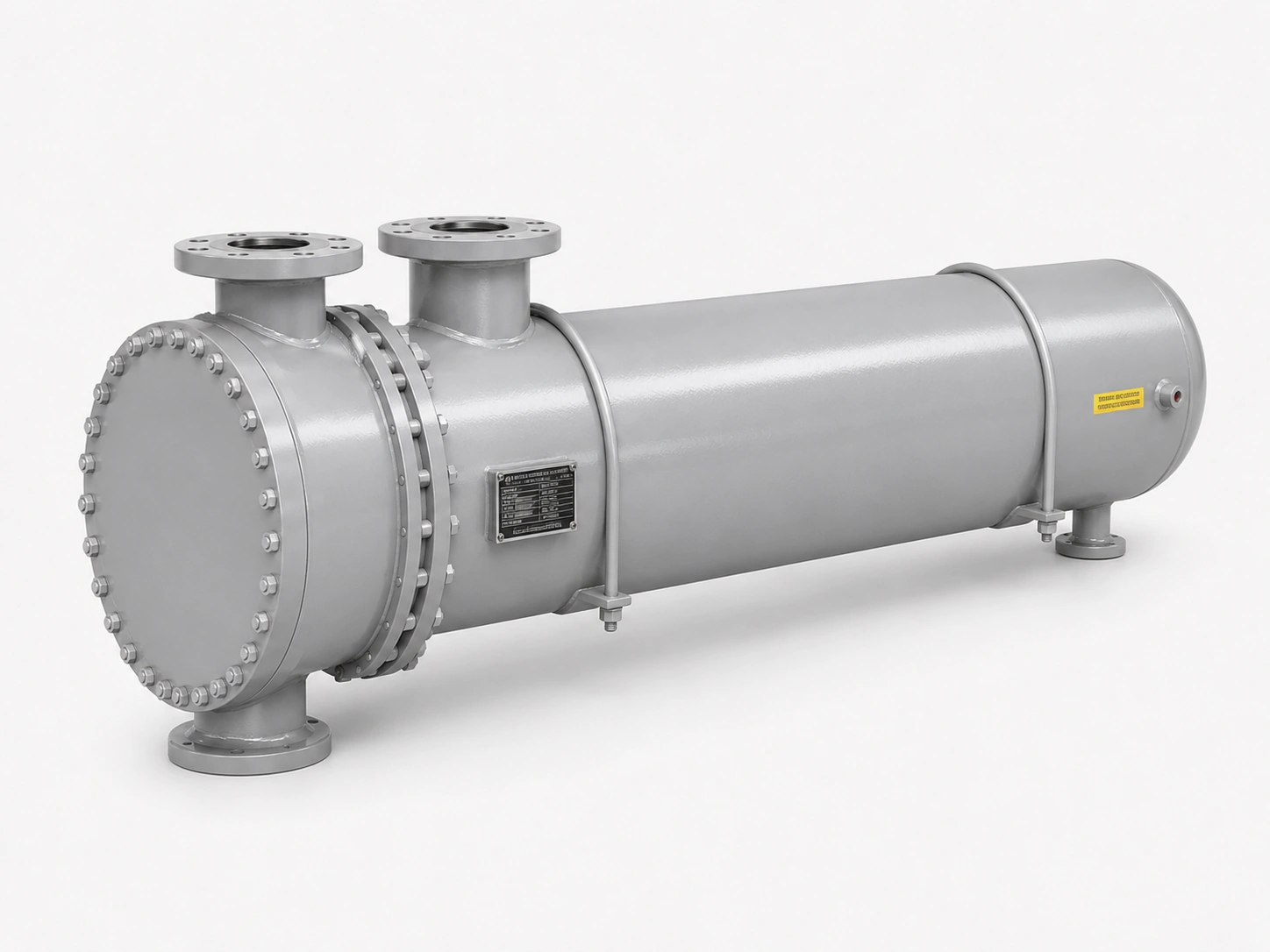
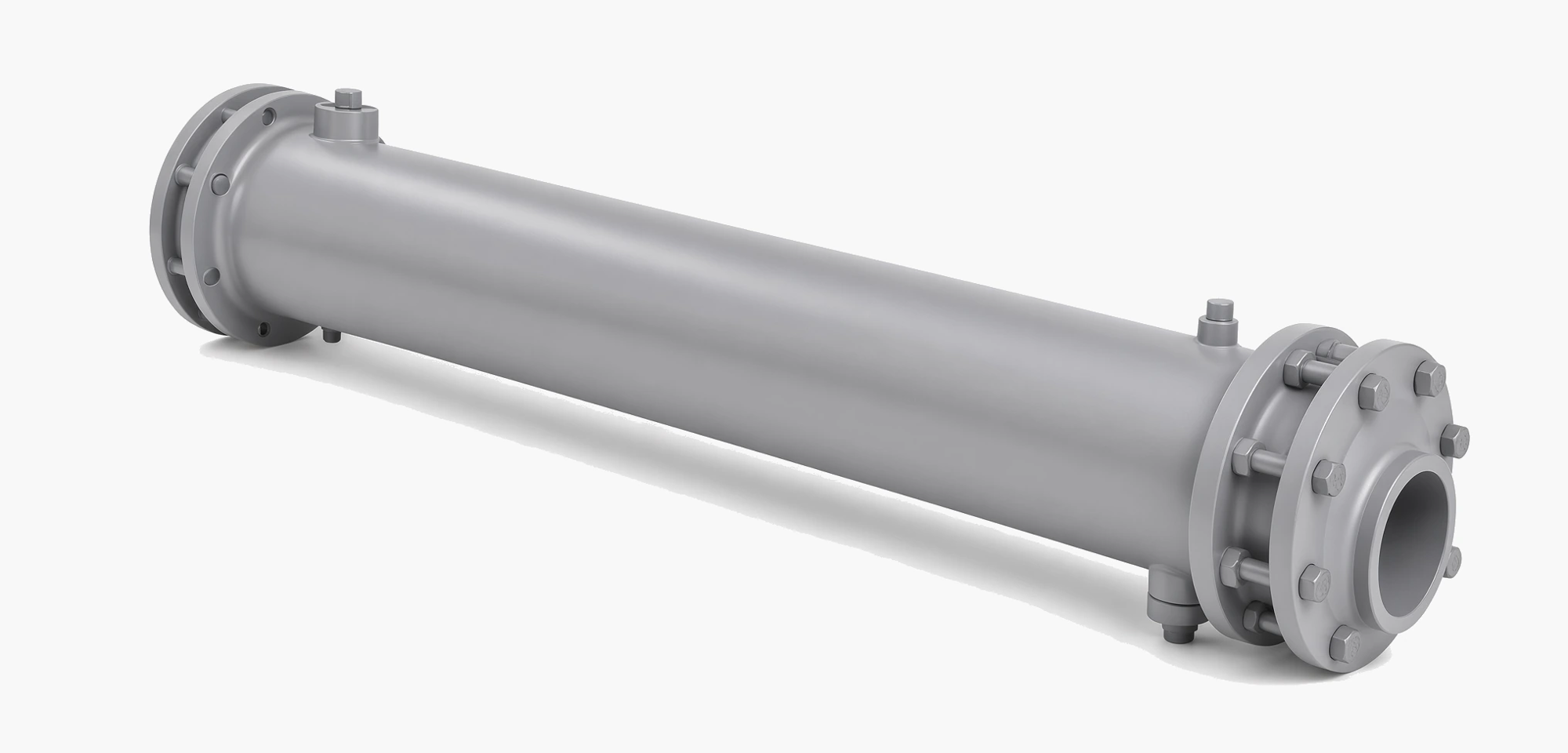
Every catalogued unit carries three numbers: a maximum shell pressure, a maximum tube pressure and a maximum temperature. They are established separately and a duty has to satisfy all three. Shell and tube ratings differ deliberately, because a shell is a large-diameter pressure boundary and tubes and tubesheets are small ones. Raising the shell rating means substantially heavier construction throughout.
Diameter is what drives it. The compact ranges carry 300 PSI on the shell against 150 PSI on the larger ranges, because a 300 PSI rating on a two to eight inch shell is straightforward and the same rating on a thirty inch shell is not. Temperature ratings span a wide band as well, from 300°F on the general liquid ranges through 375°F on the steam and tank ranges to 1000°F on the gas cooler.
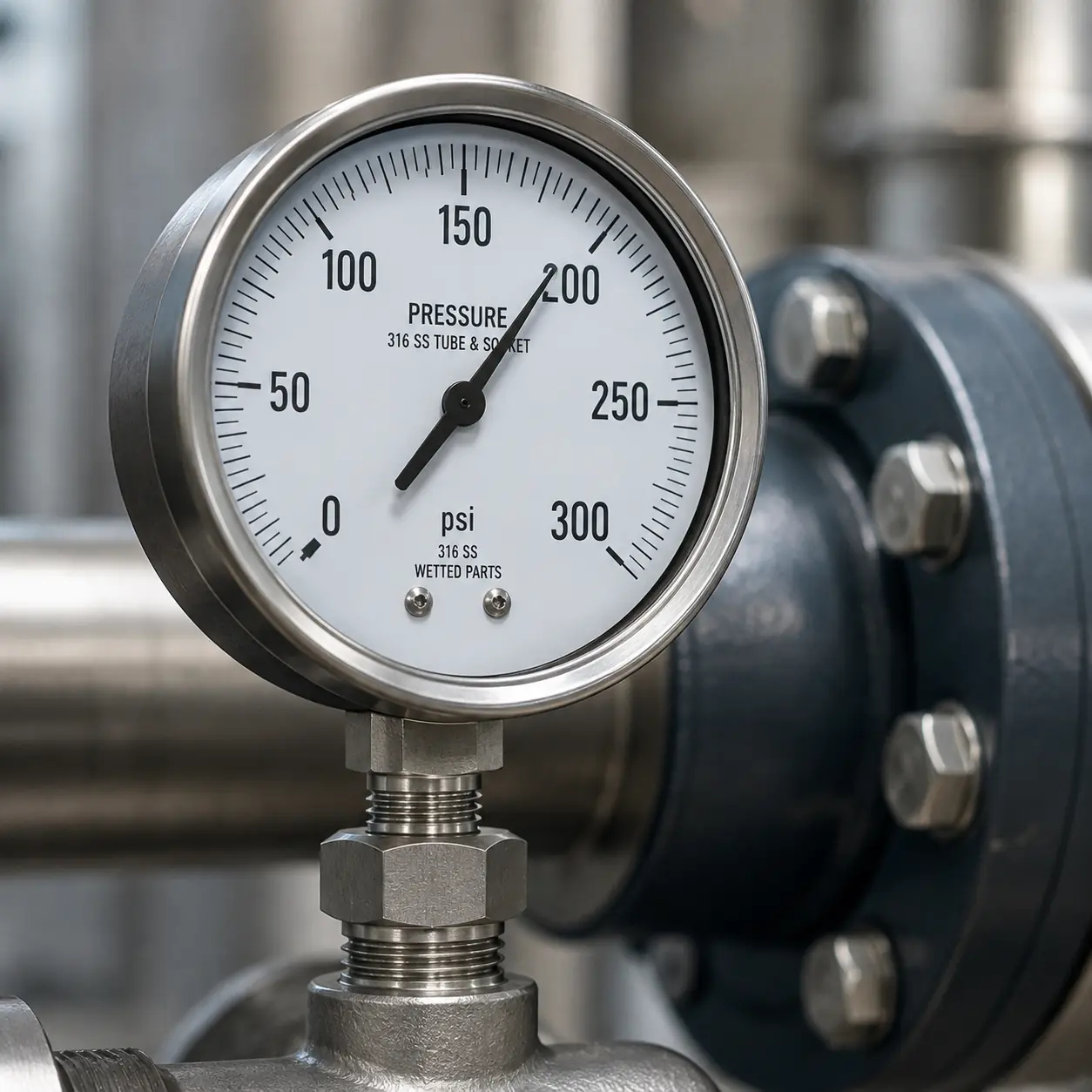
Check the pressure where the unit actually sits. In a tall building, static head alone can exceed a standard 150 PSI tube-side rating before any pump head is added, which is precisely what a 400 PSI tube rating exists for. It is common for a system to be well inside rating at the top of a riser and comfortably outside it in the basement plant room.
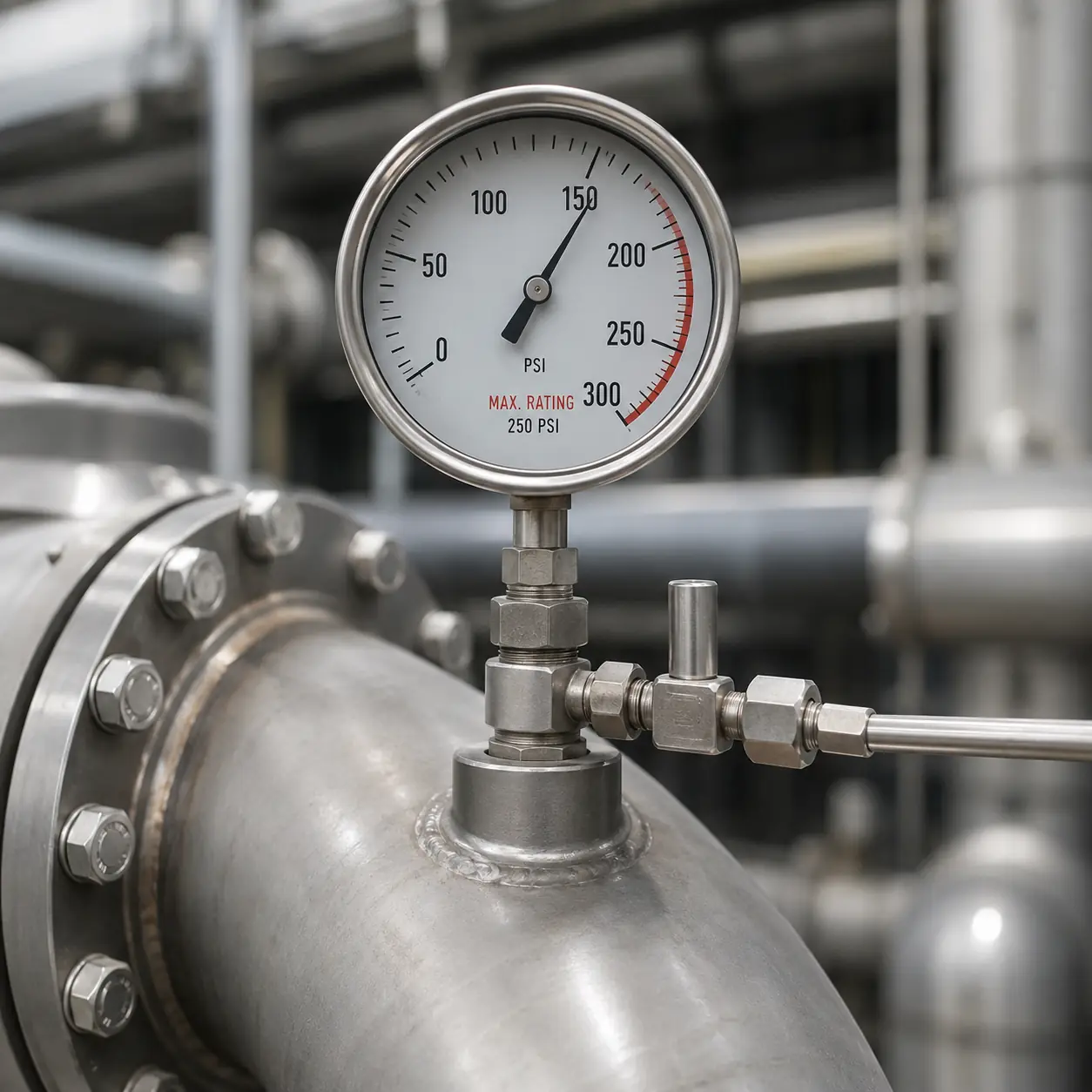
Request a QuoteA duty can sit inside the pressure rating and outside the temperature rating, or the reverse. Check all three numbers against the real operating envelope, including startup and upset, rather than against the steady-state design point alone.
Thermal Envelope
Short Hold Times at High Temperature
- Rated Separately on Shell and Tube Side
- Temperature Limit Set by Series and Materials
- Startup and Upset Conditions Included
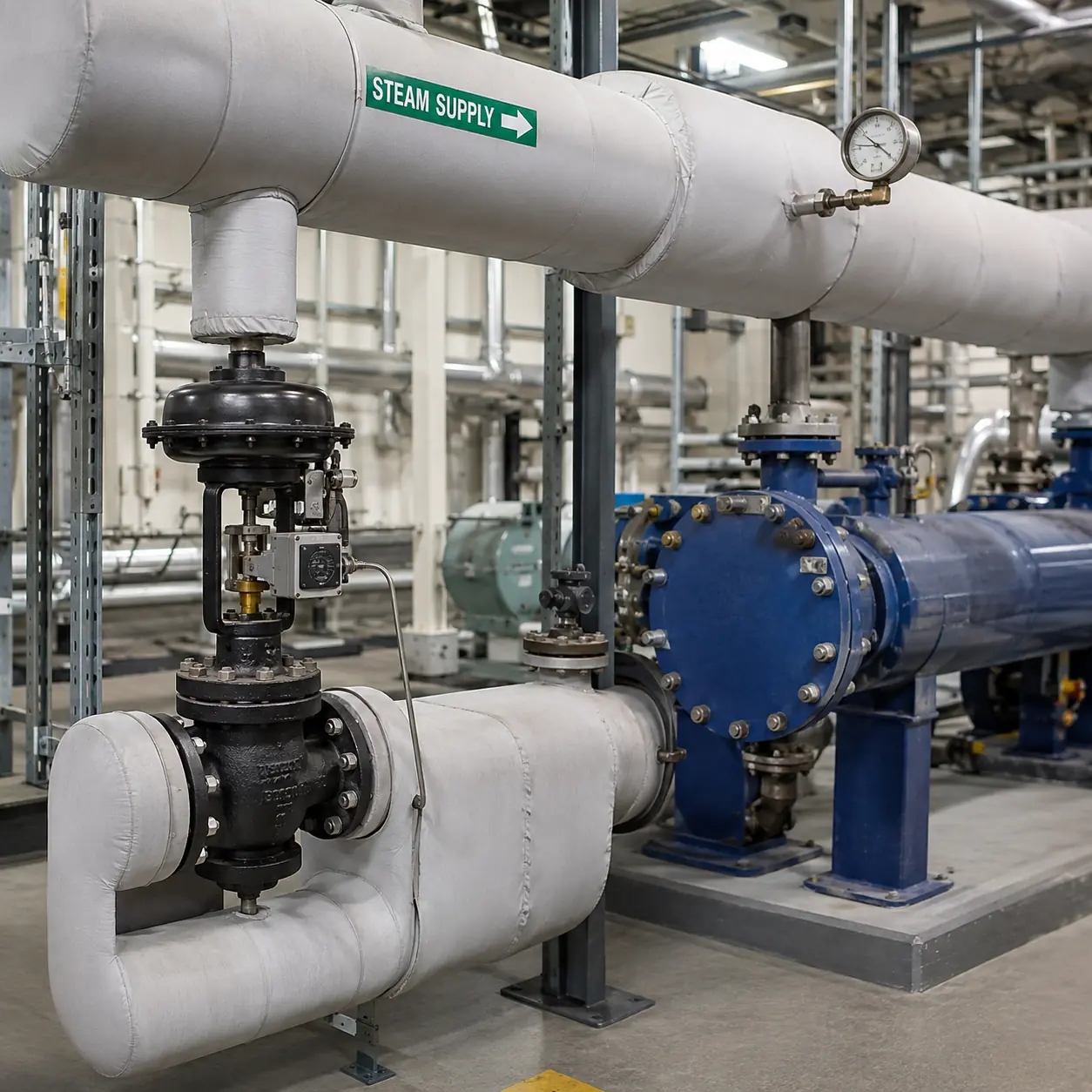
Steam Side Duty
Where the Temperature Limit Governs
- Saturation Temperature at Supply Pressure
- Tube Side Rated for System Static Head
- Clean Steam Construction Where Required
How the Ratings Are Set
Ratings are a property of the series and the construction rather than of the size, so the part number on the nameplate is what establishes which numbers apply to a given unit.
- Shell ratings from 150 PSI on the larger ranges to 300 PSI on the compact ranges
- Tube ratings from 125 PSI through 150 PSI, and 400 PSI on the high-head range
- Temperature limits of 300°F, 375°F and 1000°F depending on series
- Aftercoolers and gas coolers rated against the application rather than a fixed figure
- All three figures recorded against the catalogue part number
- Design conditions repeated on the nameplate and in the data report
Checking a Duty Against the Ratings
The relevant number is the pressure at the exchanger: static head from the highest point in the system down to the plant room, plus pump head, plus any expansion vessel pressurisation. Work it out for where the unit sits, not for where the system is filled.
- Calculate static head from the highest point down to the plant room
- Add pump head and expansion vessel pressurisation to the total
- Check the temperature limit independently of the pressure limit
- Include startup, upset and standby conditions in the envelope
- Read the ratings from the part number rather than from a similar unit
Common FAQs
Because a shell is a much larger pressure boundary than a tube. Raising the shell rating requires heavier construction throughout and costs disproportionately more, so the high-pressure fluid goes in the tubes.
Diameter. A 300 PSI rating on a 2 to 8 inch shell is straightforward; the same rating on a 30 inch shell would need much heavier construction. The CHX and CHXS benefit from being small.
The GC gas cooler at 1000°F, which is far above everything else in the catalogue. Among the liquid ranges, 375°F on the SU, DSU, DWU, HTWU and tank heaters is the maximum.
From the nameplate part number. Each catalogued series carries its own shell, tube and temperature ratings, and the part number establishes which apply.
Related