1-805-484-2992
Quotes - Engineering - SalesDairy Plant Applications
Utility Heating in a Plant That Cleans Constantly
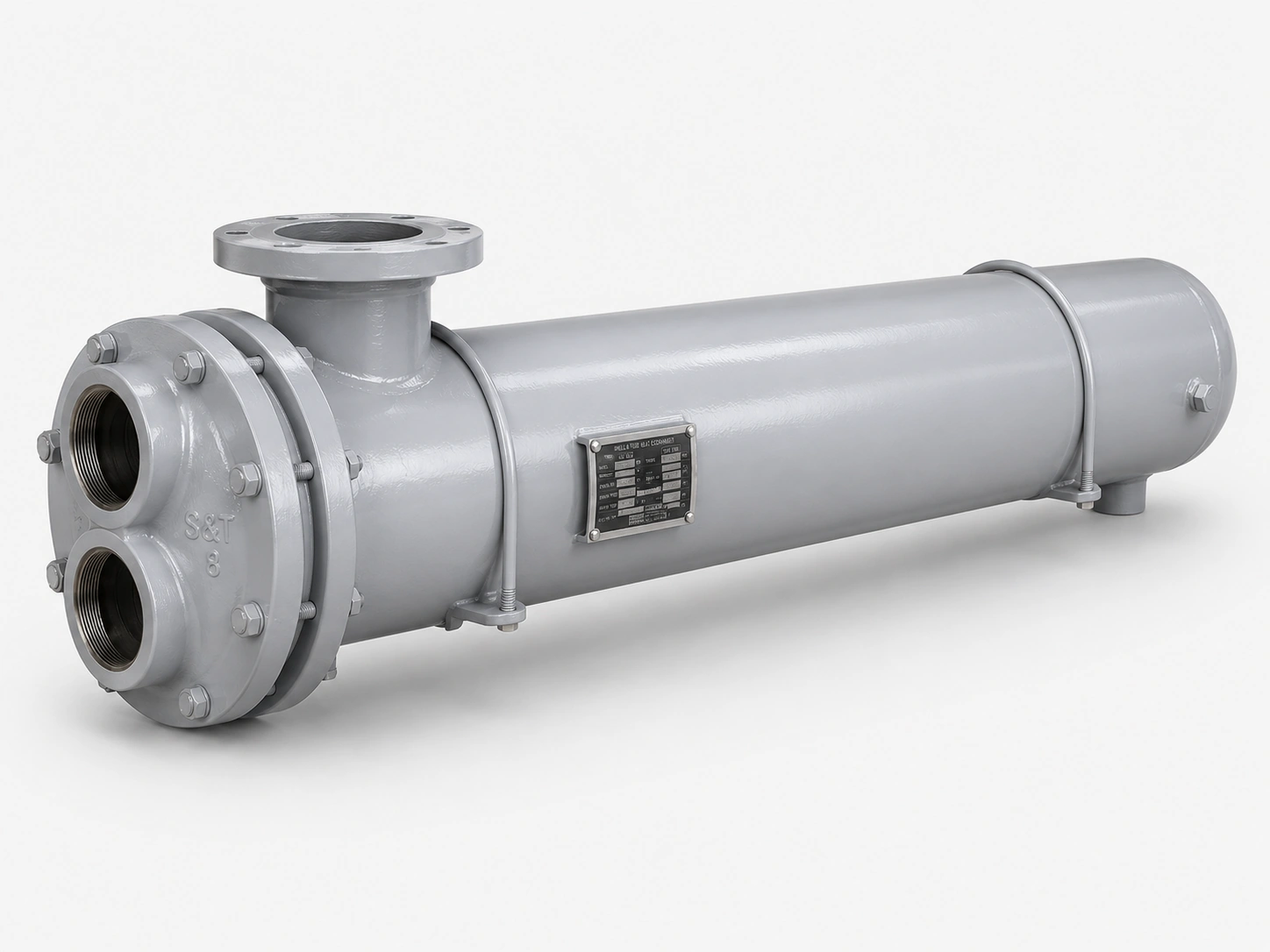
Dairy processing is characterised by frequent, thorough and aggressive cleaning. Product contact equipment is sanitary plate or tubular; the shell and tube ranges serve the utility duties that support it: CIP solution heating, process water, plant hot water and tank heating.
Cleaning frequency is the defining feature. A dairy plant cleans daily and thoroughly, which means the CIP system runs constantly and its heater is one of the harder-worked exchangers in the plant. Ramp rate matters because every cleaning cycle is production time.
Cross-contamination consequences are high. Where a utility circuit heats water that touches product, double-wall construction is frequently required by the plant's own quality system as well as by code. The DSU and DWU ranges cover it.
Protein and hard water both scale. On the utility side the problem is usually mineral scale on hot surfaces rather than protein burn-on, and it responds to the same remedy: a lower medium temperature and more surface.
Storage tank heating is common. Hot water storage with a TCS or TCW bundle serves both cleaning and process demand, and on potable storage the DTCS and DTCW ranges provide double-wall protection inside the tank.
 Dairy Utility Heating
 CIP Solutions
 Process Water
 Hot Water Storage
Dairy Utility Selection
The cleaning schedule as much as the thermal duty.
Duty Inputs
- CIP volume: Gallons per tank
- Ramp time: Target changeover
- Process water: Flow and temperature
- Contact: Does the water touch product
Series
- SU and DSU on steam
- WU and DWU on hot water
- TCS and TCW for storage
- DTCS and DTCW for potable storage
- Double-wall where product contact applies
Plant Realities
- Daily cleaning cycles
- Aggressive chemistry
- Short changeover windows
- High cross-contamination consequence
- Hard water scaling
The Cleaning Schedule Drives the Specification
Changeover Time Is Production Time
A dairy that cleans between every product run is spending a significant part of its day on CIP. The heater's ramp rate directly sets how long that takes, and a heater sized on standing load rather than heat-up rate quietly costs capacity every day.
Size on the changeover time you want. It usually produces a larger heater than the heat balance suggests, and the return is in production hours.
Utility Equipment Held to Process Standards
Dairy quality systems frequently apply the same expectations to utility equipment that touches water going into product as they do to process equipment. That means double-wall construction, documented materials and the ability to open and inspect.
Establish what your quality system requires before ordering rather than during a plant audit, because the single-wall and double-wall ranges are not interchangeable.
Related