
1-805-484-2992
Quotes - Engineering - SalesGetting the Water Out Before It Reaches the System
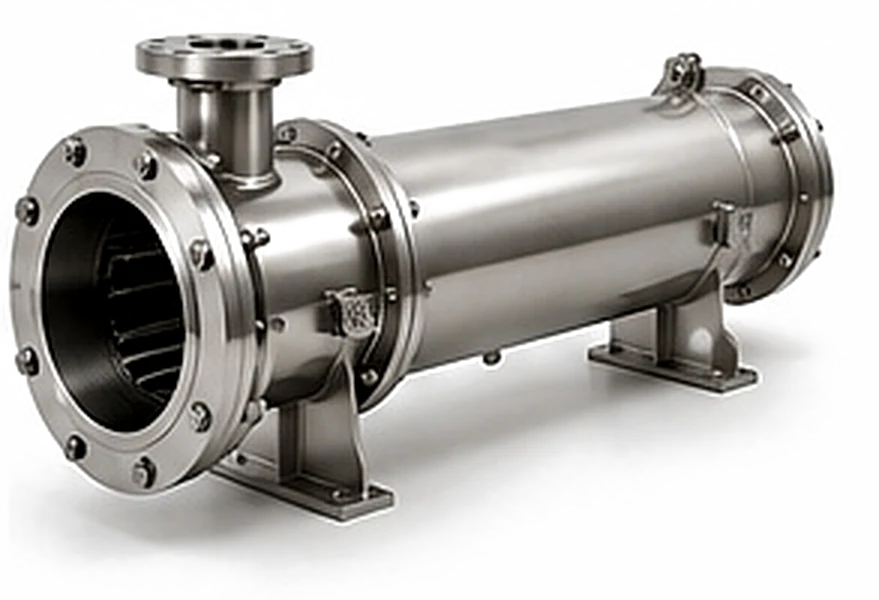
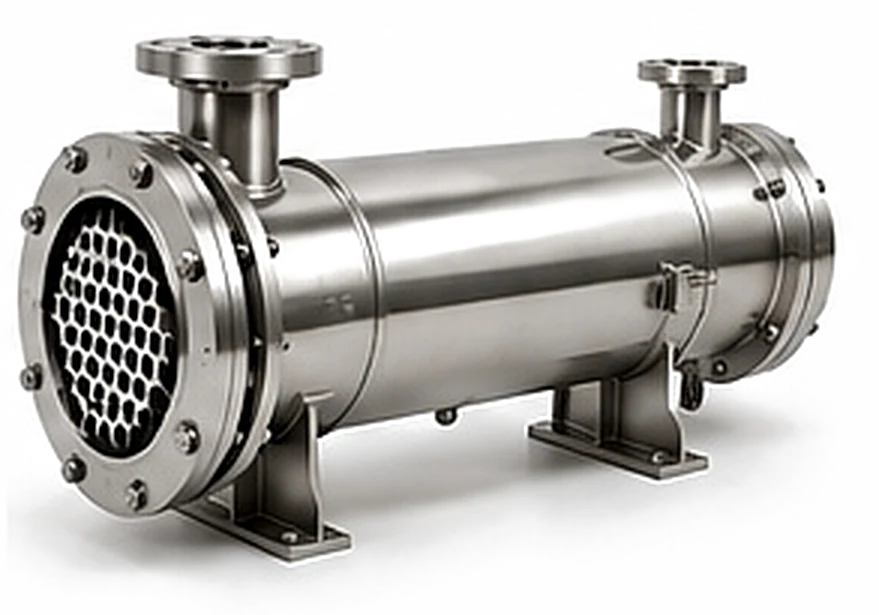
Air leaving a compressor is hot and saturated. As it cools in the distribution system the moisture drops out wherever it happens to be, which is usually in a pipe run, a filter or a tool. An aftercooler makes that happen at one controlled point where a separator and a trap can remove it. Two catalogued ranges cover the duty: the ACA on round shell dimensions and the ACFR on pipe-size shells.
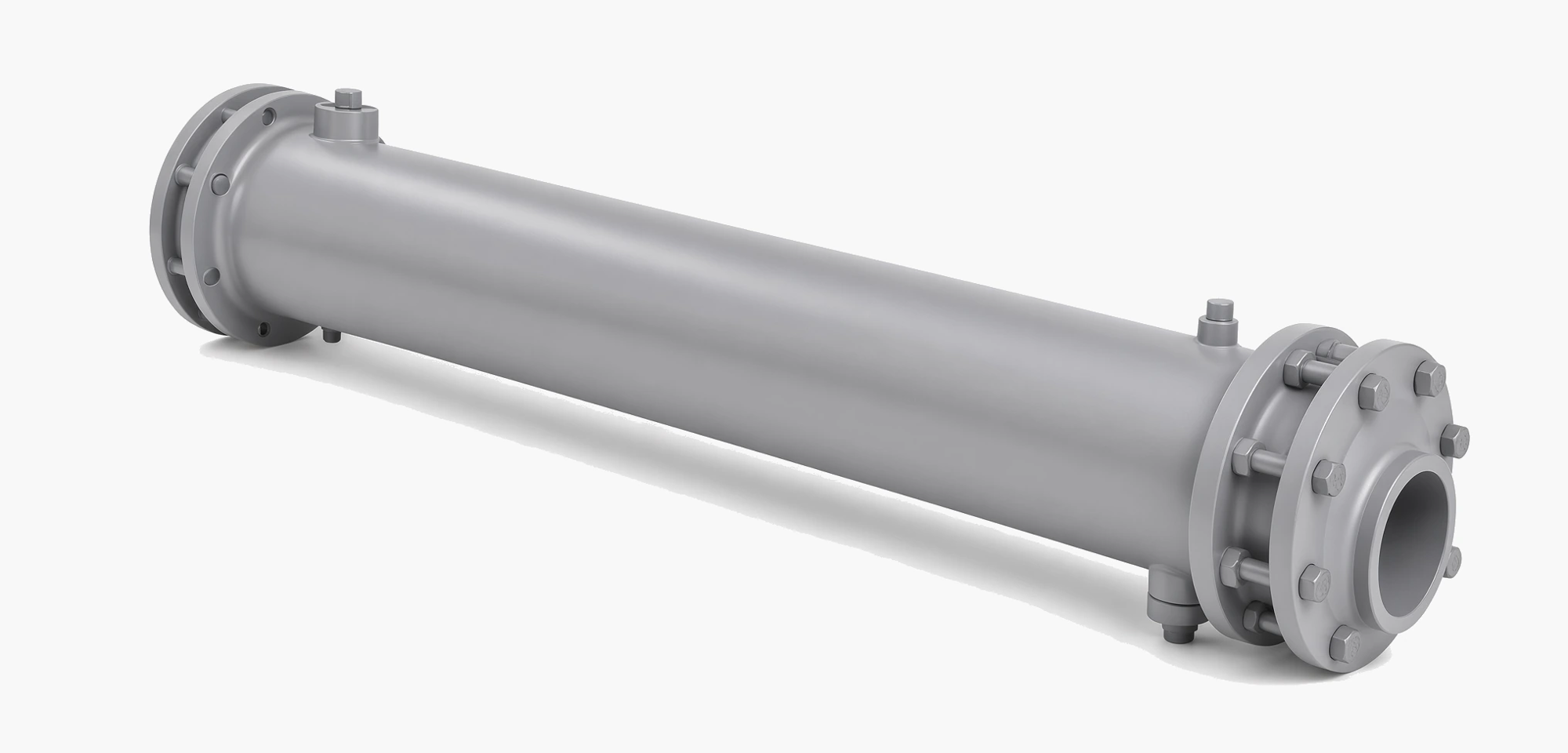
- ACA Series covers 3 to 10 inch shell diameters in single-pass arrangements with copper tubes and cast iron bonnets, rated to 300°F.
- Single pass on the air side is deliberate, because every psi of air-side pressure drop is compression energy already paid for.
- ACFR and ACF Series use pipe-size shells, which is why their dimensions read 3-1/2, 6-5/8, 8-5/8 and 10-3/4 inches rather than round numbers.
- The pipe-size dimension on a nameplate is one of the quickest ways to tell an ACFR from an ACA.
- Approach temperature decides how much water you remove. Every degree left in the air is moisture load handed to the dryer, and dryer capacity costs considerably more than aftercooler surface.
- A separator and a working trap are part of the system, not accessories. Without them the aftercooler simply relocates the water.




An Aftercooler Without a Separator Makes Things Worse
This is the single most common installation error on compressed air aftercoolers. The exchanger condenses moisture out of the air by design; it does not remove it. Something downstream has to collect and drain that liquid. Where a separator is missing, undersized or fitted with a trap that has failed, the aftercooler delivers water into the distribution system in slugs rather than as vapour, and slugs of liquid water do considerably more damage to tools and instruments than saturated air would have. If an installation has a water problem downstream of an aftercooler, check the drain before blaming the exchanger.
The second point is that approach temperature is worth real money. The colder the air leaves, the more moisture has already dropped out and the less the dryer has to handle. Dryer capacity, whether refrigerated or desiccant, is expensive to buy and expensive to run, and aftercooler surface is neither. Where there is scope to specify a slightly larger aftercooler and get closer to the cooling water temperature, the payback continues for the life of the installation.
Cooling water quality deserves more attention than it usually gets. Aftercoolers frequently run on whatever water is available, which means the tube side fouls and the approach temperature drifts upward over the years. A removable bundle and clear space to withdraw it are worth specifying on any unit that will see untreated water, because the alternative is watching performance decay with no practical way to recover it.
Aftercooler and Gas Cooling Applications
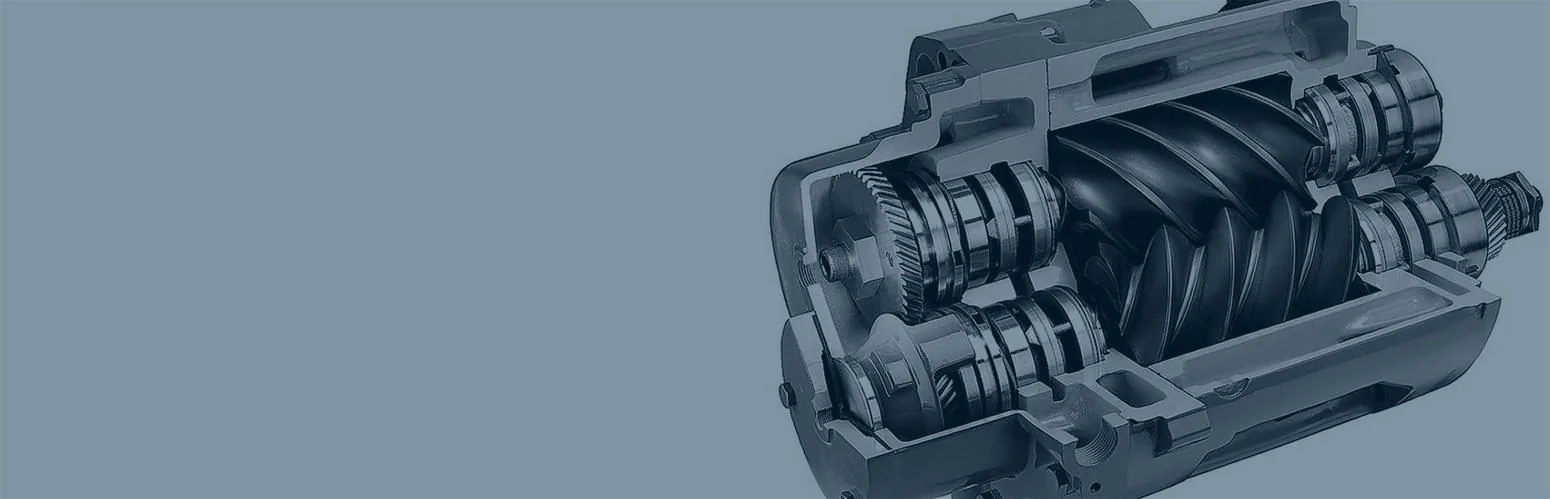
COMPRESSED AIR • ROTARY
Rotary Screw Packages
Continuous-duty compressors produce a steady saturated air stream. Aftercooling at the package protects everything downstream of it.
+ Learn More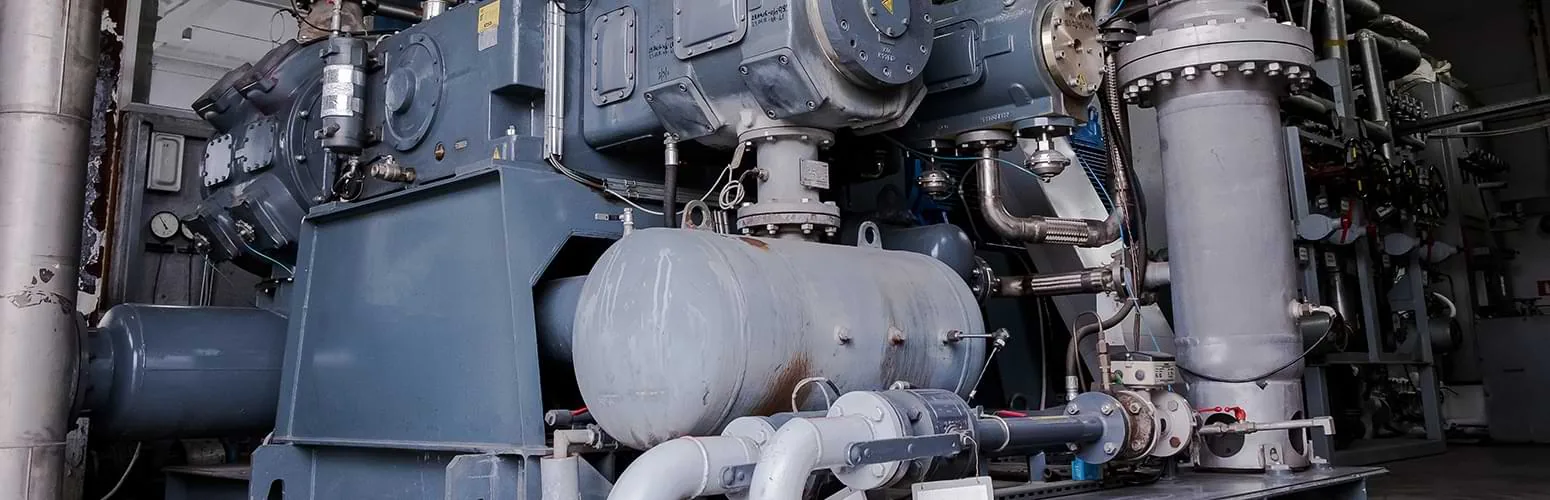
COMPRESSED AIR • RECIP
Reciprocating Compressors
Piston compressors deliver pulsating hot air and carry more oil. Aftercooling and separation matter more, not less.
+ Learn More
HIGH TEMPERATURE • GAS
Process Gas Cooling
Where the stream is hot gas rather than compressed air, the GC range is rated to 1000°F with copper or steel tubes.
+ Learn More