
1-805-484-2992
Quotes - Engineering - SalesWHICH SIDE CAN YOU CLEAN
Removable and
Fixed Bundle
Construction
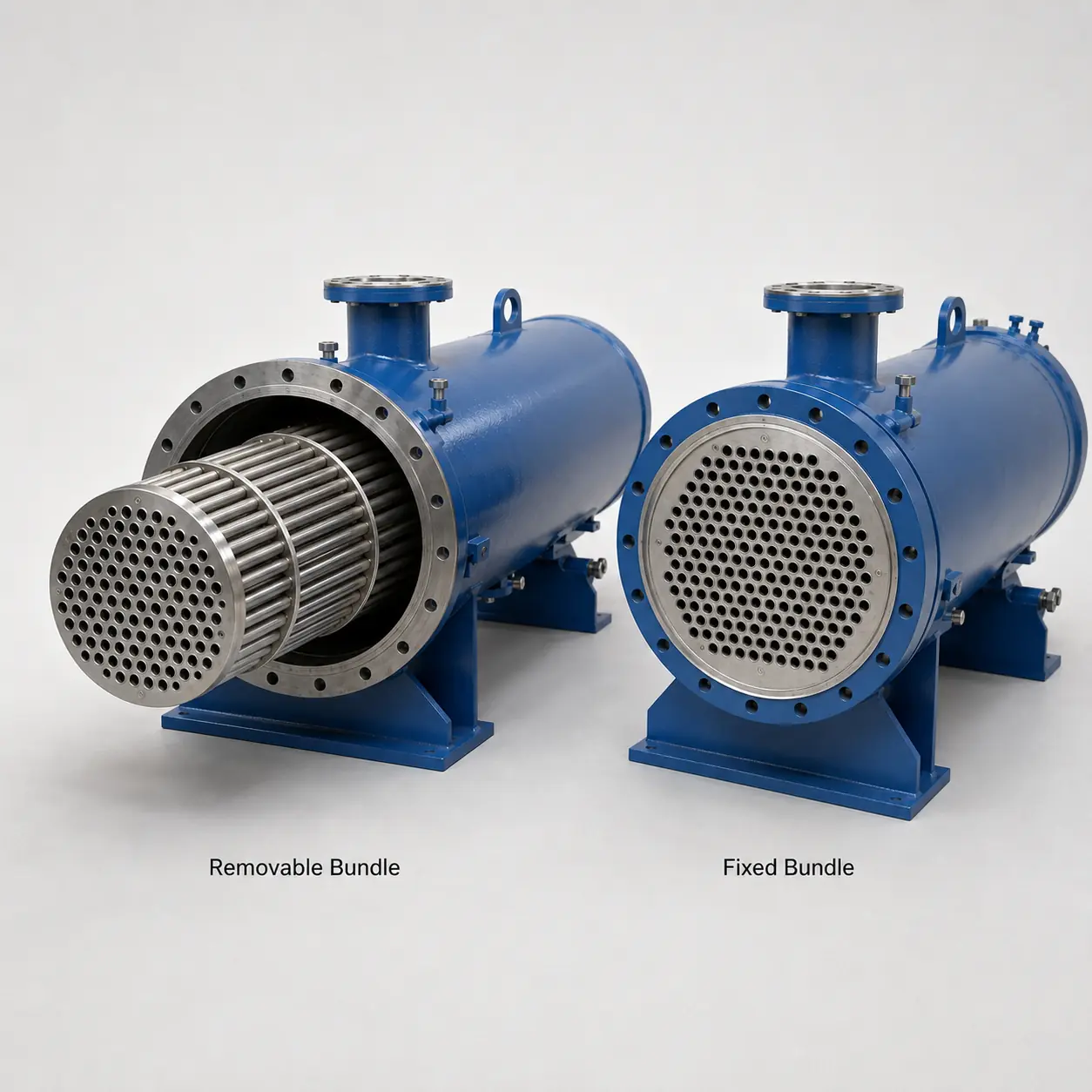
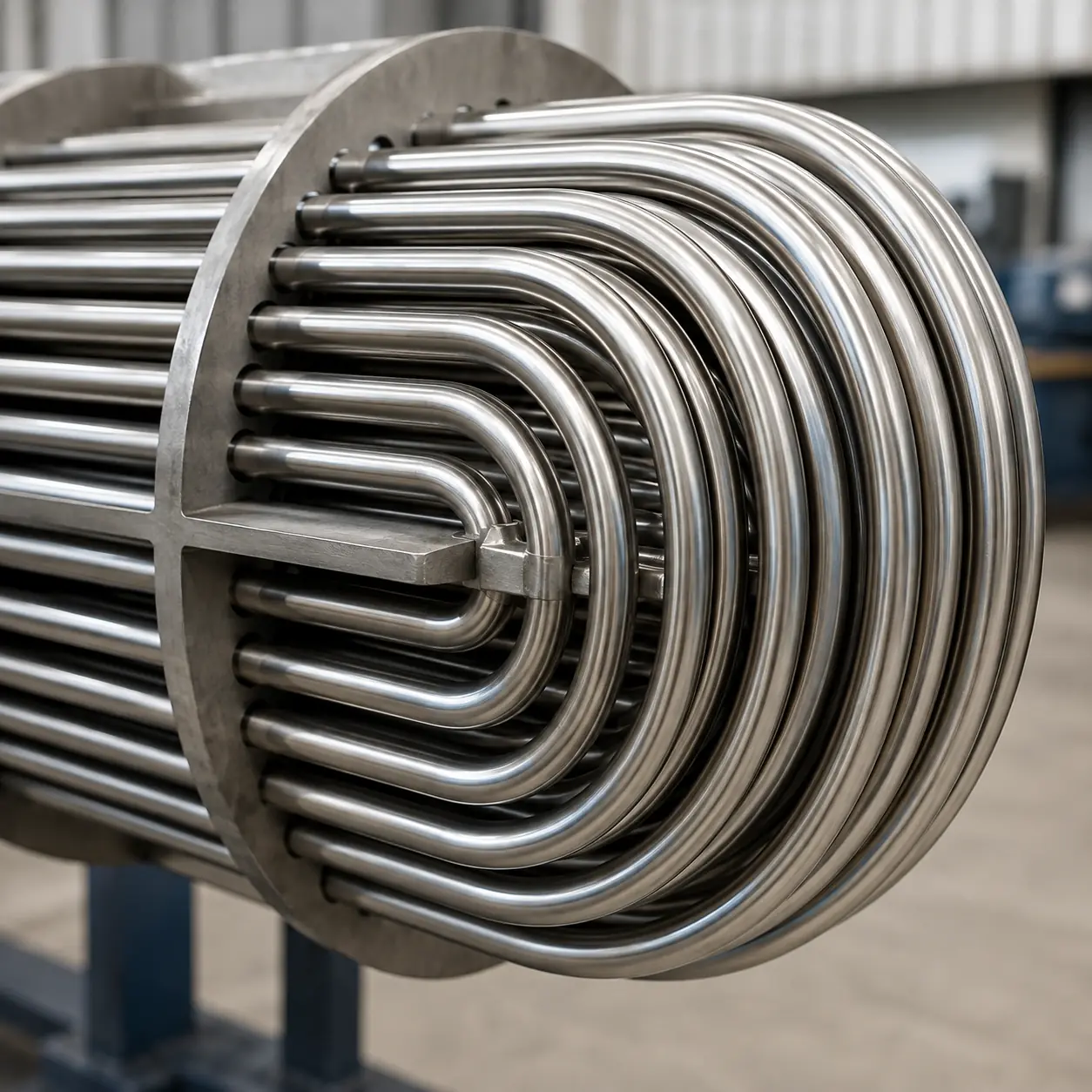
A removable bundle withdraws from the shell as one assembly, exposing the shell interior and the outside of every tube. A fixed bundle is welded into the shell and forms part of the pressure vessel, so nothing comes apart. That single difference decides which side of the exchanger can be cleaned mechanically, and on a fouling duty that is what determines how long the unit stays useful.
The second consequence is replacement economics. A shell is a simple pressure vessel with no moving parts and it frequently outlives several bundles. Where the bundle is removable, a worn-out exchanger becomes a bundle purchase rather than a capital replacement, and the nozzles, supports and pipework all stay exactly where they are.
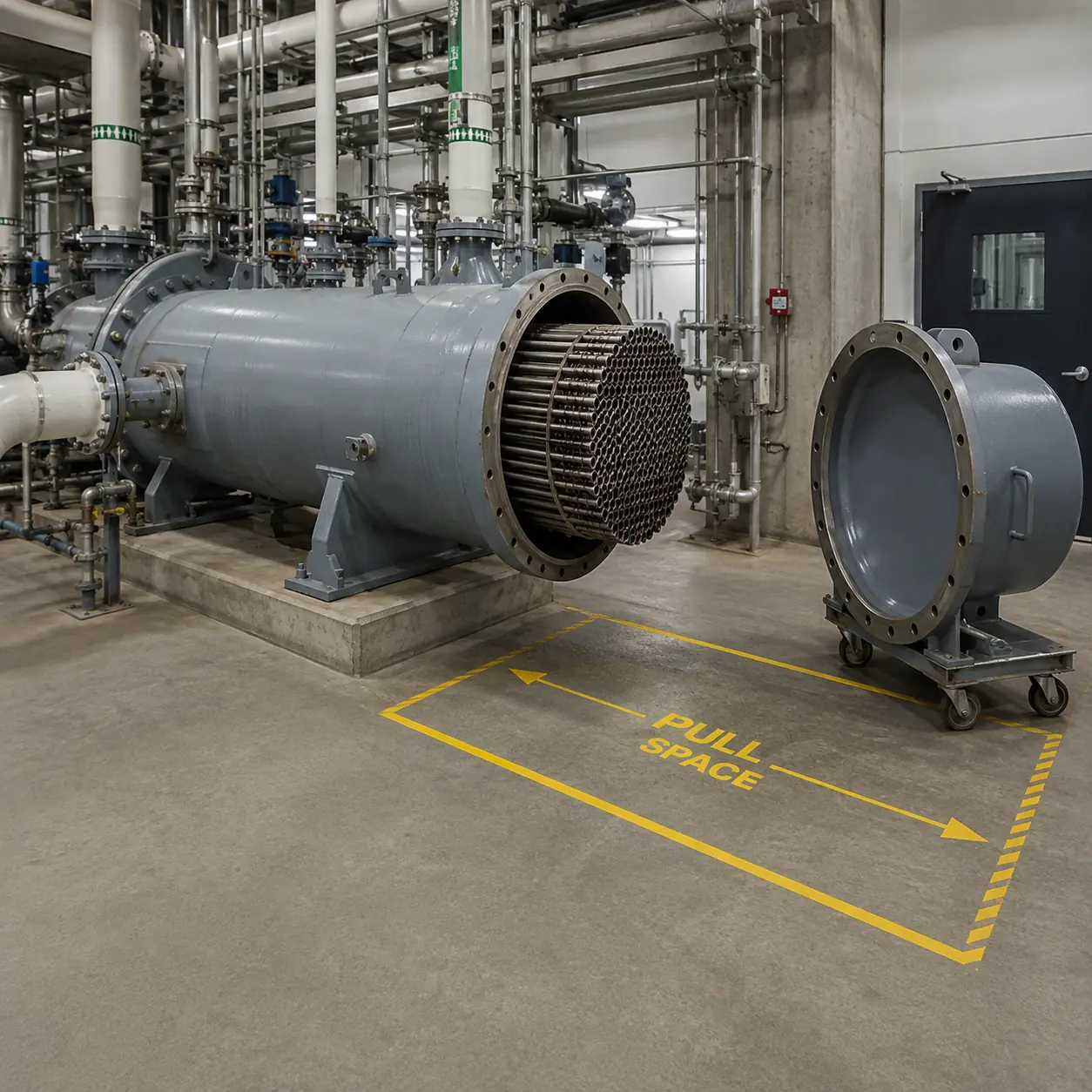
Clearance is what makes a removable bundle real rather than theoretical. The bundle needs clear space in line with the shell at least equal to its own length, plus room to handle and set it down, and that space has to stay clear of pipe racks, cable trays and adjacent equipment for the life of the installation. It is the most commonly overlooked item in a plant room layout.
Request a QuoteFixed tube construction is cheaper to buy and more expensive to own, because the cleaning access you did not pay for is what determines service life on a fouling duty.
Cleaning Access
Mechanical Against Chemical
- Shell Side Brushed or Hydroblasted
- Chemical Circuit Where Access Is Closed
- Deposit Type Assessed Before the Method
Fouling Duty
Product Residue and Deposit
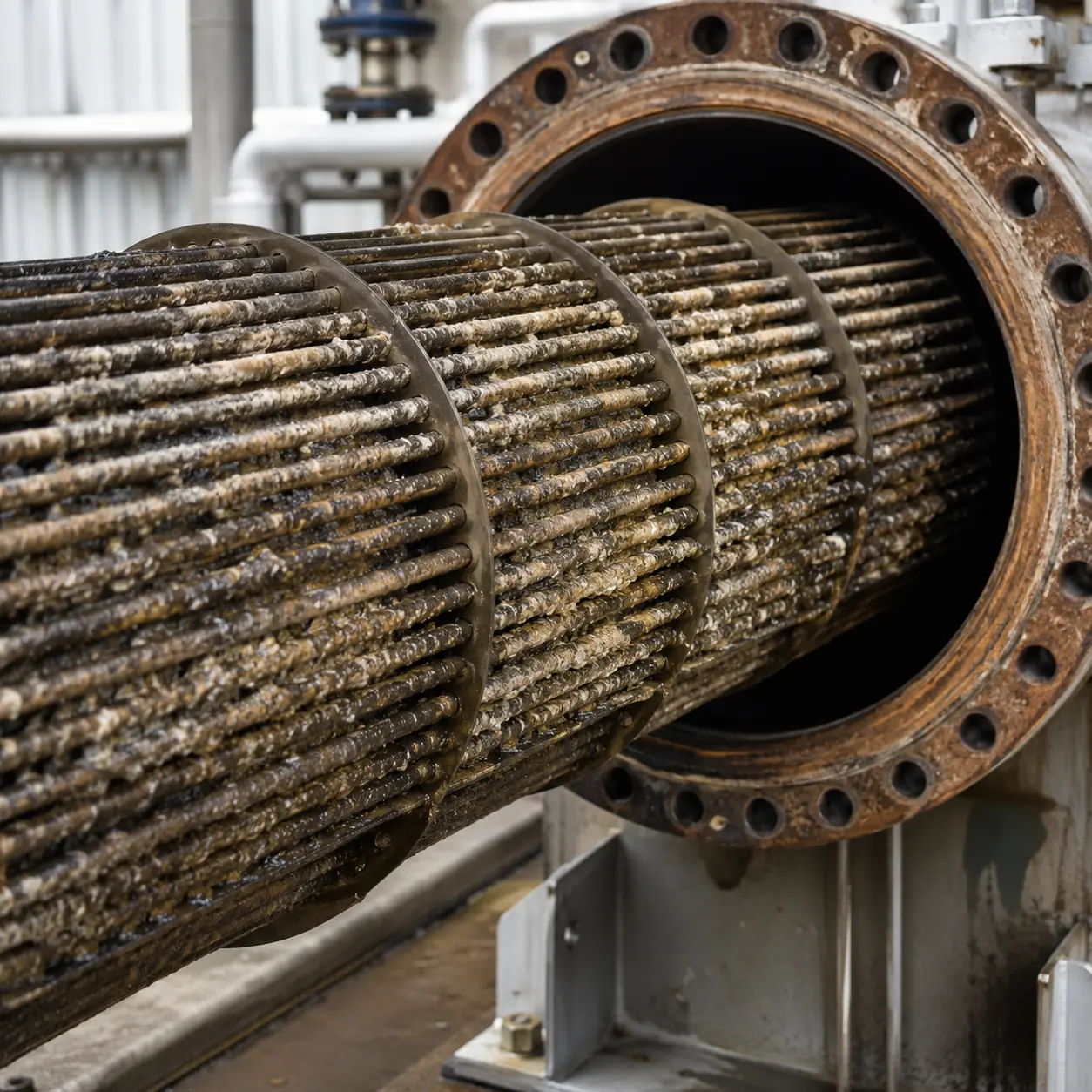
- Deposits Removed Before They Set
- Plugged Tube Count Recorded at Service
- Bundle Replaced Rather Than Plugged Indefinitely
Access Comparison
The decision is made at purchase and cannot be changed afterwards, which is why it belongs in the specification rather than in the commissioning conversation.
- Removable bundles give mechanical access to the shell side
- Fixed bundles allow shell-side chemical cleaning only
- Fixed construction lets tube interiors be rodded end to end
- Individual tubes can be pulled and replaced on fixed construction
- Removable construction turns a worn unit into a bundle purchase
- Most of the catalogued shell and tube and tank ranges are removable
Plan for It at Layout
Every plugged tube removes surface area and shifts the flow distribution slightly. Plants routinely run past the point where the exchanger can still make its duty, because plugging is incremental and nobody is counting.
- Establish bundle pull clearance when the plant room is laid out
- Fit unions close to the bonnet so the head comes off without cutting
- Confirm a lifting arrangement exists for the bundle weight
- Record the plugged tube count at every service
- Keep a spare gasket set on the shelf against the next opening
Common FAQs
No. Both tubesheets are welded to the shell, so the bundle is part of the pressure vessel. Shell-side cleaning is chemical only, which is the fundamental limitation.
At least the bundle length in line with the shell, plus room to handle and set it down. It has to stay clear for the life of the installation, not just at commissioning.
Considerably, because the shell, nozzles, supports and pipework all stay in place. It also avoids the disruption of removing and reinstalling a whole unit.
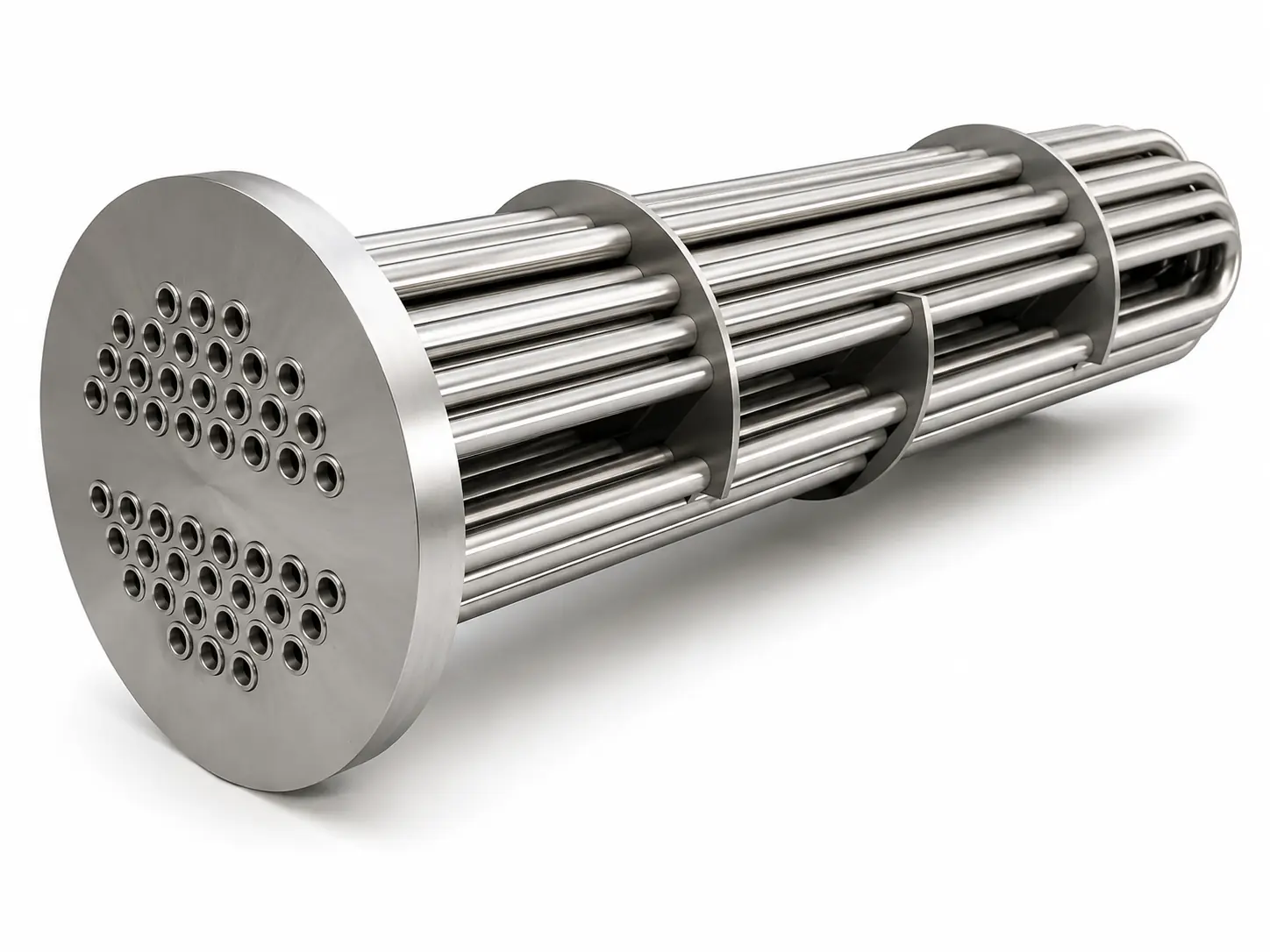
Most of them: SU, WU, OC, HTWU, CHX, CHXS and all the tank heater bundles. It is a consequence of the U-tube geometry the ranges are built on.
Related
CONFIGURATION • COMPARISON
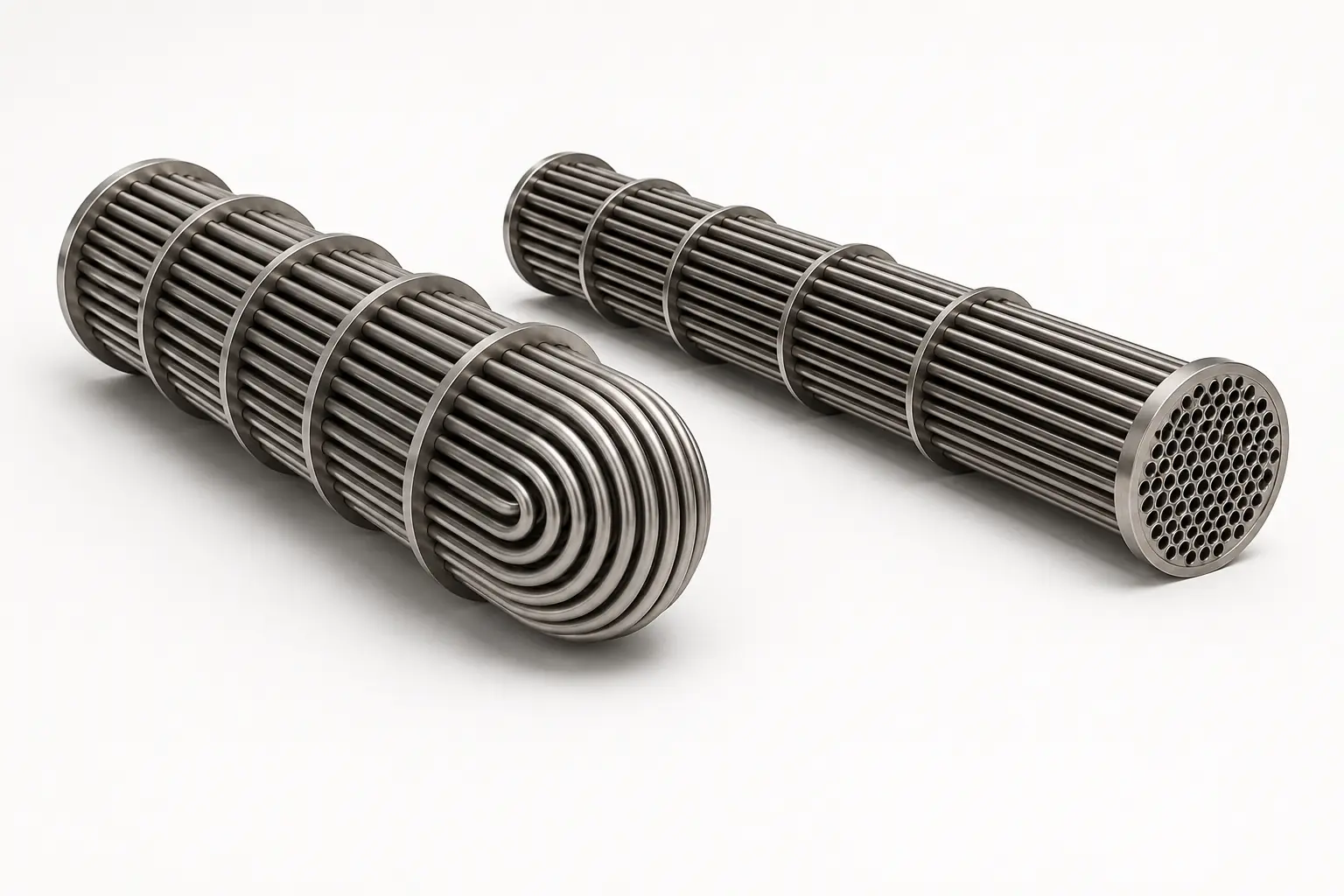
U-Tube vs Straight-Tube
The construction decision behind it.
+ Learn More