
1-805-484-2992
Quotes - Engineering - SalesPotable Water Heating
Heating Drinking Water With a Non-Potable Medium
A boiler circuit, a steam main or a glycol loop carries treatment chemicals and is not potable. The domestic water it heats is. Where those two meet across a tube wall, the tube wall is the only thing preventing a contamination event, and many jurisdictions will not accept a single barrier.
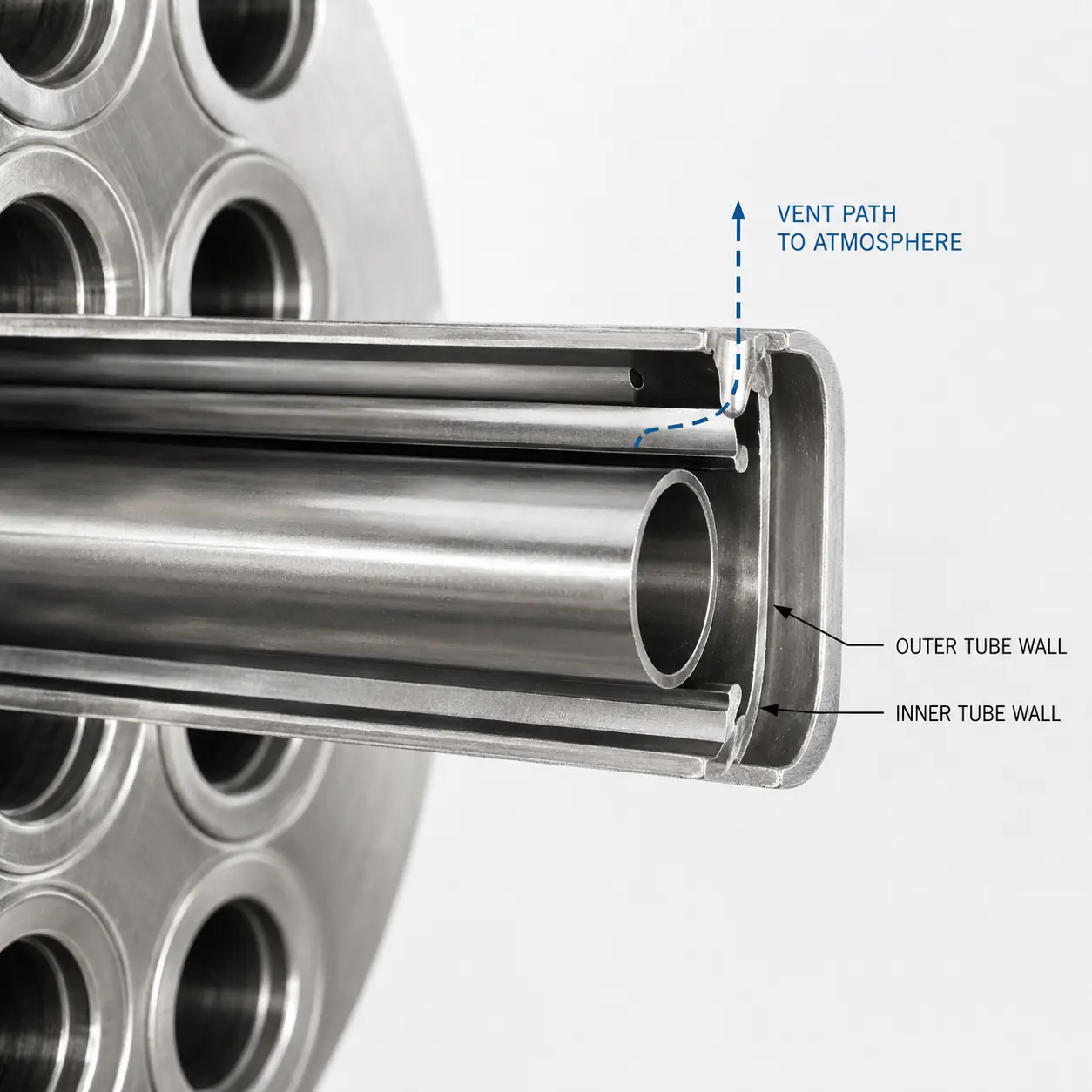
Double-wall construction provides the second. Two tube walls in intimate contact carry the heat, with a vented path between them that leads outside the pressure boundary of either fluid. A leak through either wall discharges visibly rather than crossing between streams.
Confirm the requirement locally. Codes vary by jurisdiction and by the authority having jurisdiction. It is a short conversation before ordering and an expensive one at inspection, because single-wall and double-wall ranges are not interchangeable and cannot be converted.
Sizing allows for the extra resistance. The interface between the two tube walls is a genuine thermal barrier, so a double-wall unit needs more surface than a single-wall unit for the same duty. The DSU and DWU ranges are correspondingly larger and top out at smaller shell diameters than the SU and WU.
Scaling is the other consideration. Hard water scales on the hottest surface. Where steam is the medium, a lower steam pressure produces a lower tube wall temperature and slows scaling considerably, at the cost of needing more surface.
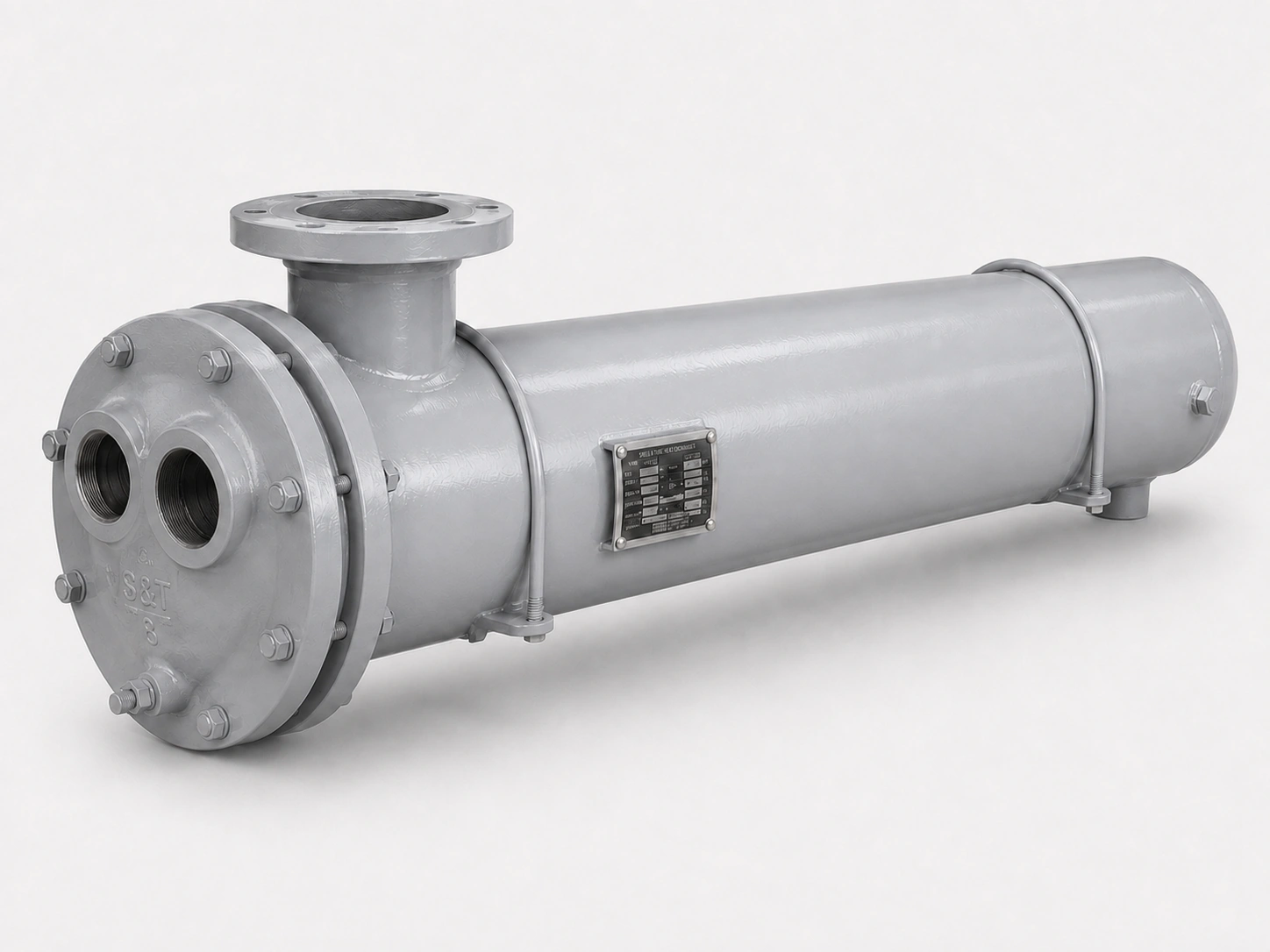
 Domestic Hot Water
 Storage Tanks
 Boiler Loop Heating
 Double-Wall Duty
Potable Water Selection
The domestic load sets the duty. The medium and the local code set the construction.
Duty Inputs
- Water flow: Peak GPM or recovery rate
- Temperatures: Cold inlet, hot outlet
- Medium: Steam, boiler water or glycol
- Local code: Double-wall required or not
Series
- DSU where steam heats potable water
- DWU where hot water or glycol does
- DTCS and DTCW for storage tanks
- SU or WU only for non-potable duty
- Naval brass tubesheets on double-wall
Also Consider
- Scaling from hard water
- Medium temperature and wall temperature
- Recirculation load
- Storage versus instantaneous
- Bundle pull clearance
| DUTY | TYPICAL SERIES | CONSTRUCTION | REQUIREMENT |
| Potable Water | DSU / DWU | Double wall | Varies by jurisdiction |
Confirm the Requirement Before You Order
The Ranges Are Not Interchangeable
A DSU is not an SU with different tubes. Tube construction, tube count, tubesheet material and the vent arrangement all differ, and the catalogue number ranges are separate: 5-262 and 5-267 for double-wall against 5-260 and 5-265 for single.
Ordering by dimension rather than by part number is how the wrong unit arrives, and on potable duty the wrong unit is one that cannot be signed off.
Lower the Medium Temperature Where You Can
Hard water scales on the hottest surface, and steam at pressure produces a tube wall temperature far above the water outlet target. Reducing steam pressure lowers the wall temperature and slows scaling markedly.
It costs surface area. On a building with genuinely hard water that trade is almost always worth making, because descaling a bundle is labour and downtime that recurs.
Related
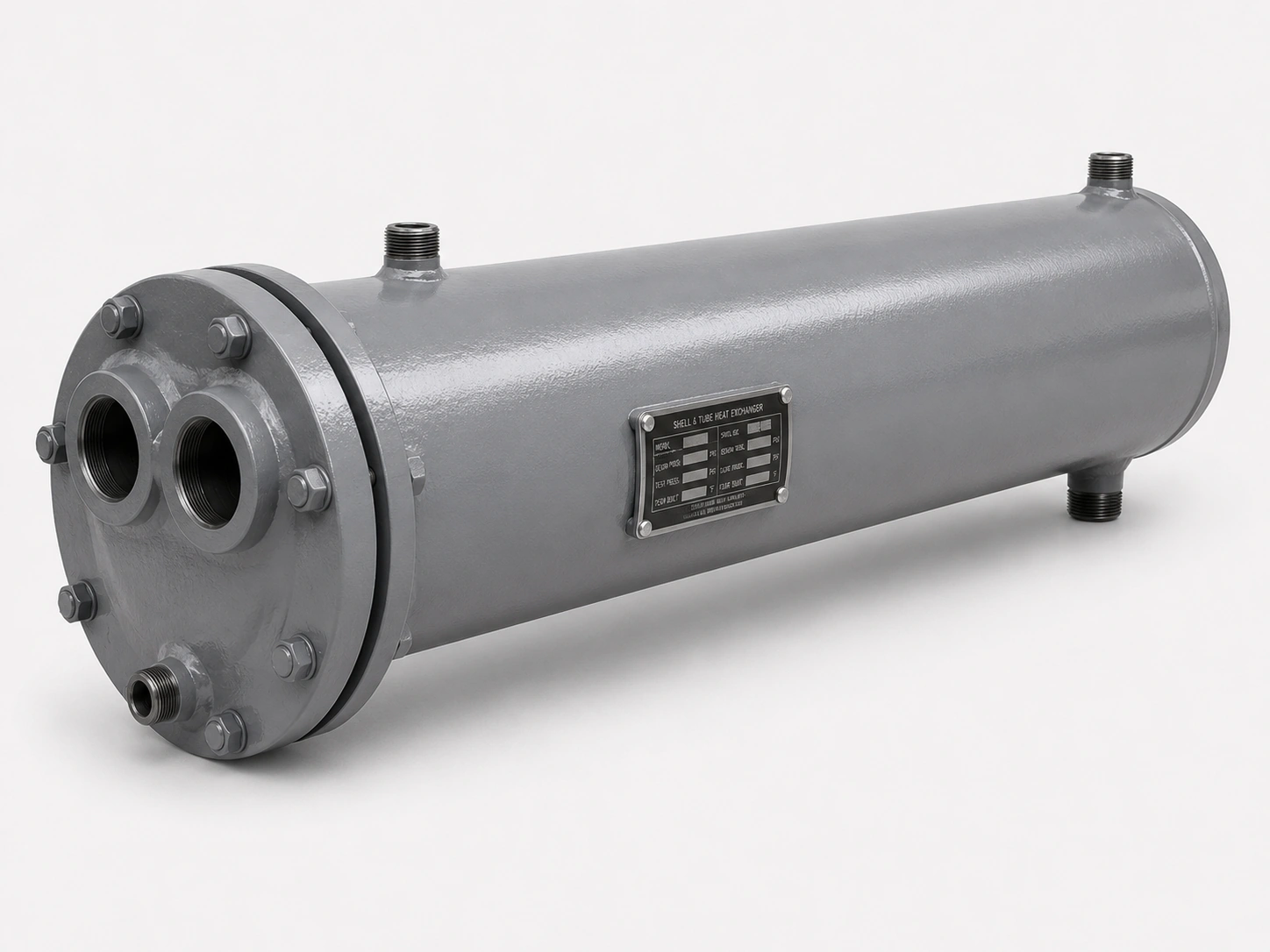
CONSTRUCTION • CODE
Double-Wall Design
How the vented construction works and why it is required.
+ Learn More