
1-805-484-2992
Quotes - Engineering - SalesHeating Tank Contents Without an External Loop
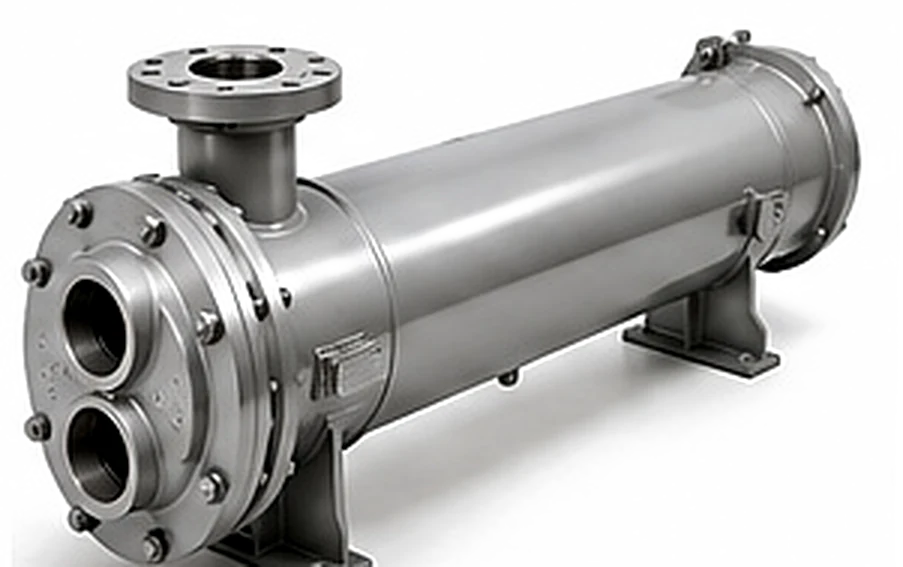
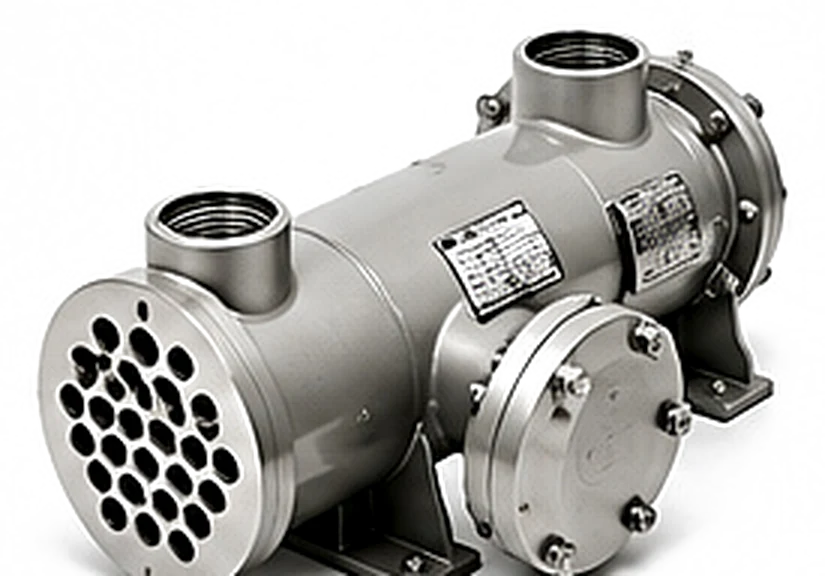
Some fluids are stored rather than circulated, and pumping the whole contents out to an exchanger and back is either impractical or unwelcome. A tank heater puts the heat transfer surface into the tank instead. Four catalogued ranges cover it, split by heating medium and by whether double-wall separation is required, across bundle diameters from 4 to 14 inches and lengths to 120 inches.
- TCS Series carries steam through the tubes, which gives a much higher heat flux per unit of bundle length and recovers a tank faster after heavy draw.
- TCW Series circulates pumped hot water instead, running cooler and gentler and avoiding a steam connection where a boiler loop already exists.
- DTCS and DTCW add double-wall tubes for potable storage, where a tube failure would otherwise discharge the heating medium straight into stored drinking water.
- All four ranges mount on a flange that bolts to a tank nozzle, with 2 pass arrangements throughout.
- Natural convection sets the size. With no forced circulation on the tank side the coefficient is low, which is why these bundles are long for their duty.
- Removal clearance outside the tank equal to the bundle length is required, and it frequently limits which length can be fitted.




Recovery Rate Sizes the Bundle, Not Standing Heat Loss
A storage tank's standing heat loss is small, and sizing a tank heater against it produces a bundle that cannot recover the tank after a draw. What actually sizes the bundle is three numbers: the tank volume, the temperature rise required and the time available to achieve it. A 1,000 gallon tank that has to come from 60 to 140 degrees in an hour is a very different duty from the same tank recovering overnight, and the standing loss is negligible in both cases.
The tank-side coefficient is the reason these bundles look oversized for their output. With no forced circulation, heat moves by natural convection driven only by density difference, and the resulting film coefficient is a small fraction of what a pumped exchanger achieves. The bundle compensates with surface, which is why the catalogued ranges extend to 120 inch lengths. Where the tank has an agitator, a mixer or a circulation loop, the coefficient improves considerably and the required bundle gets noticeably shorter. It is worth telling us, because the difference is not marginal.
The constraint that catches people is removal clearance. The bundle withdraws back through the nozzle it entered, so clear space outside the tank at least equal to the bundle length is required, plus room to handle it. On a tank in a plant room, hard against a wall, or inside a bund, that clearance frequently limits which length can be fitted regardless of what the thermal calculation asks for. Where it is genuinely tight, two shorter bundles in separate nozzles sometimes deliver the same surface in a serviceable arrangement.
Tank Heating Applications
DOMESTIC • STORAGE
Hot Water Storage
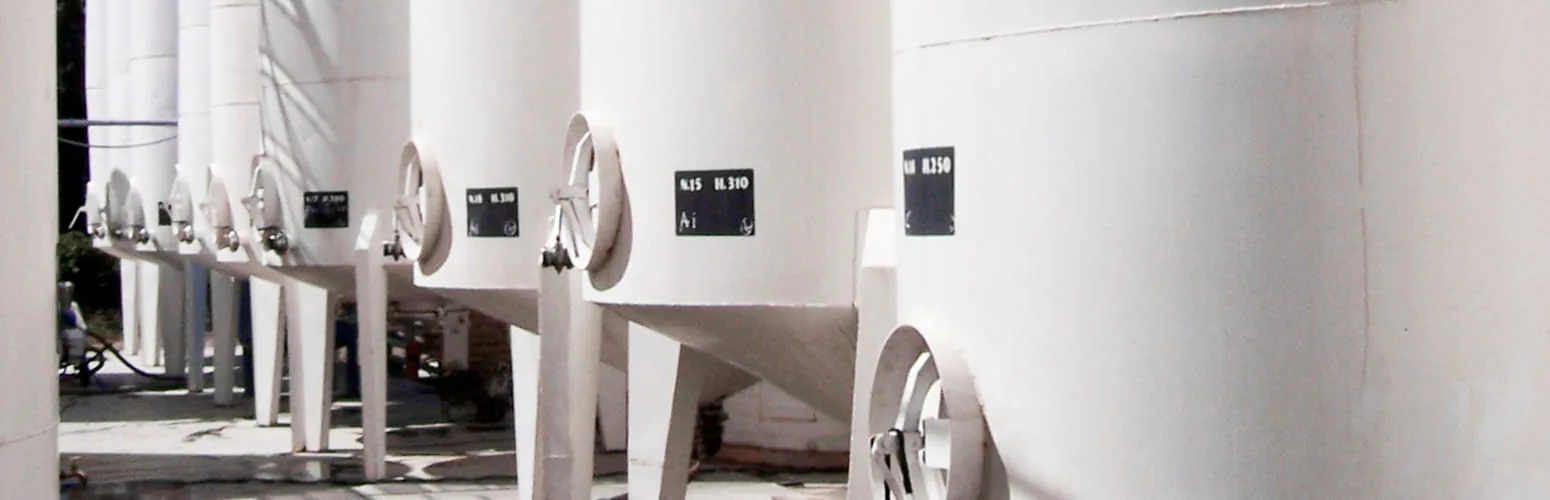
A tank heater in a storage vessel fed by a boiler loop is one of the standard ways to make commercial domestic hot water. The tank buffers, the bundle recovers.
+ Learn More
POTABLE • DOUBLE WALL
Potable Protection
Because the bundle sits inside the tank, a tube failure discharges directly into stored contents. Double-wall construction vents any leak outside instead.
+ Learn More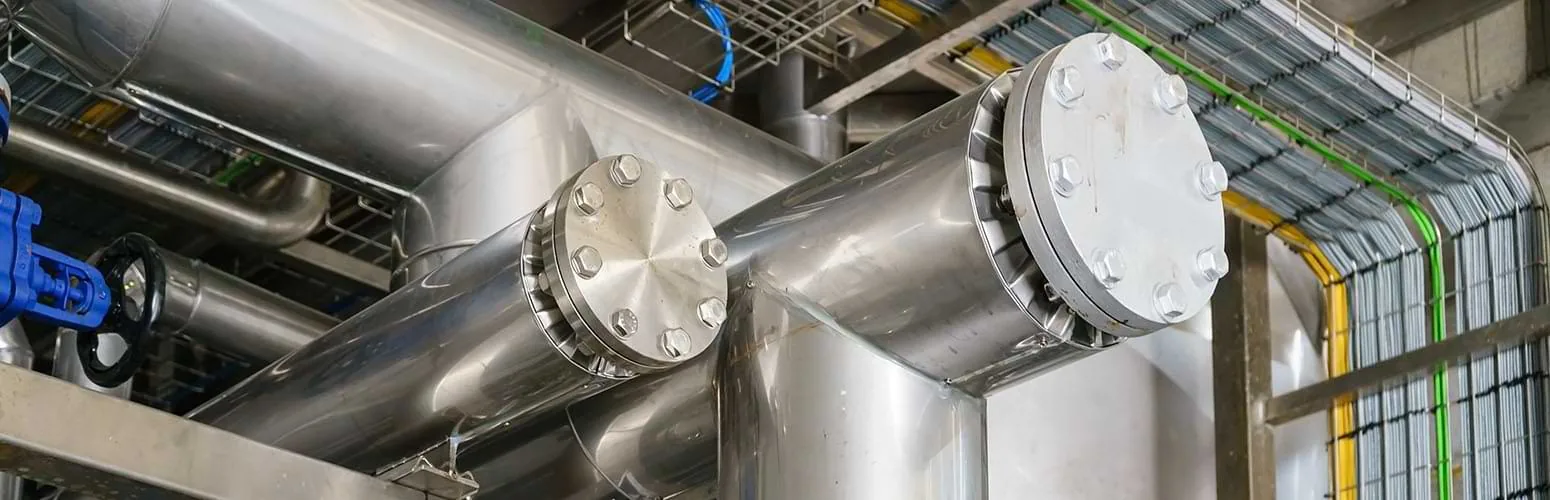
PROCESS • TANKS
Process Tank Heating
Where the contents are viscous, valuable or simply should not be pumped, an in-tank bundle brings the heat to the fluid rather than the reverse.
+ Learn More